

Baking with a lidded pan, such as a pullman loaf pans with lid or a standard bread loaf pan with lid, offers the advantage of creating perfectly square, uniform loaves ideal for sandwiches and even slicing. However, one common challenge bakers face is dough sticking to the lid during baking, which can ruin the loaf's smooth surface and make cleanup difficult. This issue occurs most often with high-hydration doughs, which are moist and expansive. Fortunately, preventing sticking is straightforward with a few simple preparatory steps that ensure effortless release and professional results every time.
The most effective and widely recommended method is to lightly coat the interior surface of the lid before placing it on the pan. Whether you're using a classic bread pan with lid or a specialized bread baking tin with lid, applying a thin layer of neutral oil—such as vegetable, canola, or grapeseed oil—creates a reliable non-stick barrier. Use a pastry brush or a paper towel to spread the oil evenly, paying extra attention to the corners and edges where dough is more likely to adhere. For an oil-free alternative, a light dusting of flour, rice flour, or cornmeal works equally well. This technique is especially important when working with wet, sticky doughs, such as those for milk bread or soft sandwich loaves, which are often baked in a loaf pan with cover.
Timing is also key when using a pullman loaf pans with lid. Apply the oil or flour just before placing the lid on the pan, after the dough has been shaped and placed inside. This ensures the coating remains effective and doesn’t absorb into the dough or dry out. If you’re using a bread loaf pan with lid for enriched doughs containing butter, eggs, or sugar, a slightly more generous coating may be beneficial, as these ingredients can increase sticking potential. Remember that the goal is a barely visible, even layer—excessive oil or flour can affect the loaf's top crust texture or cause uneven baking.
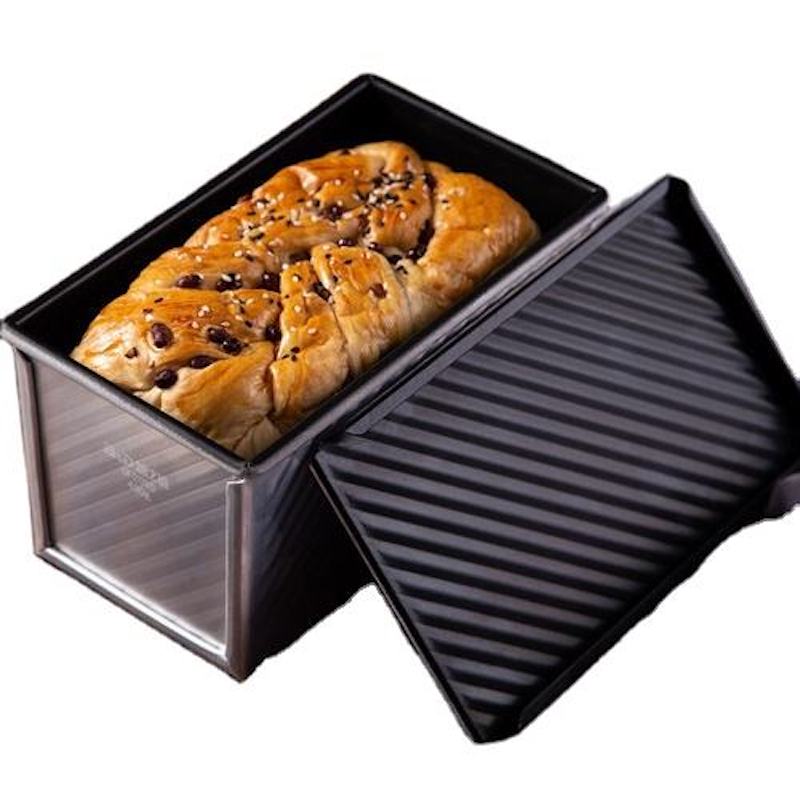
bread pan with lid
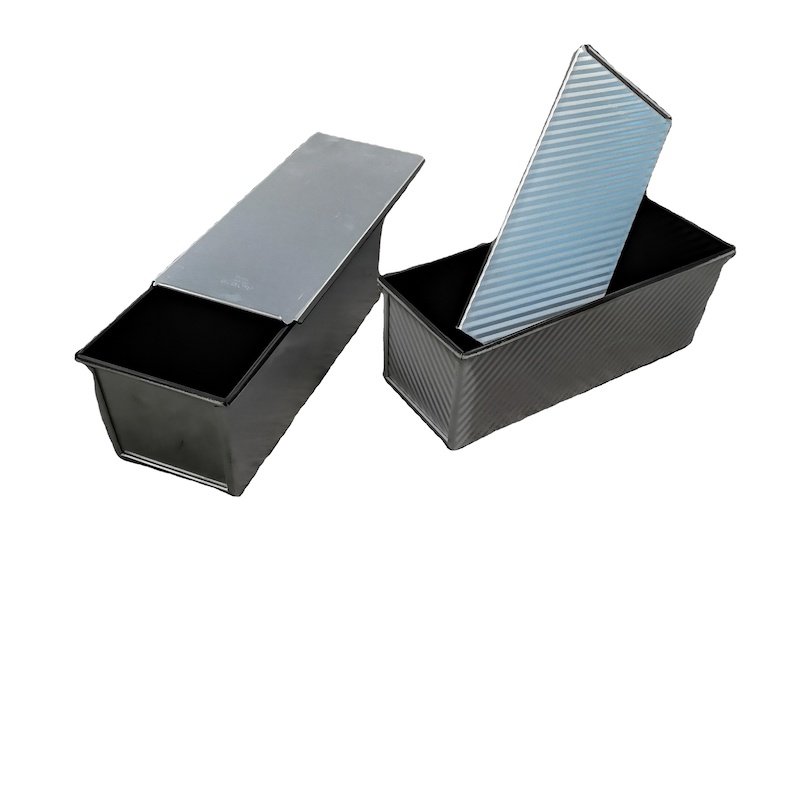
loaf pan with cover
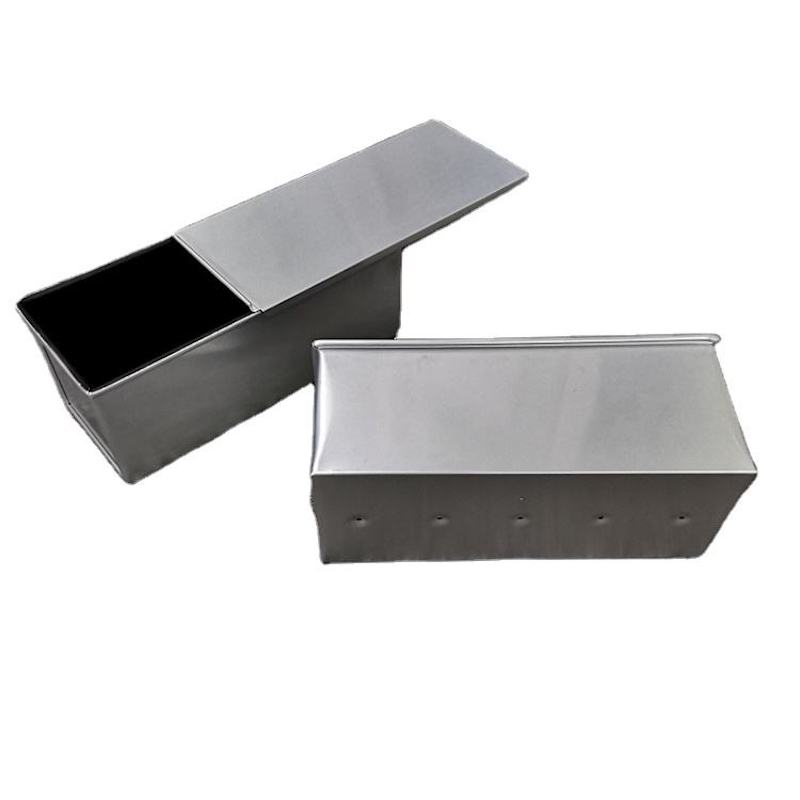
bread loaf pan with lid
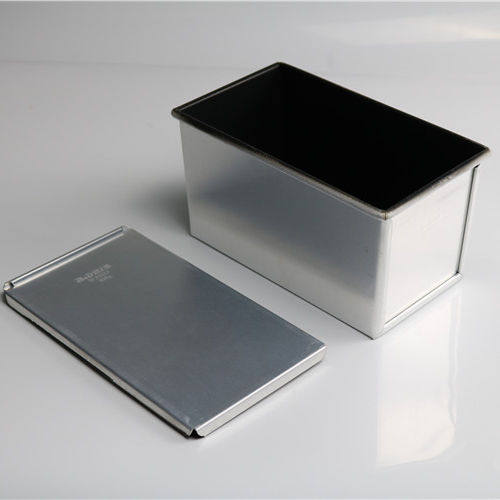
bread baking tin with lid
Another helpful practice is to ensure the dough is properly proofed and does not exceed the pan's capacity. Overfilled dough will rise and press directly against the lid, increasing the risk of sticking regardless of preparation. Most bread baking tin with lid designs work best when the dough fills about two-thirds of the pan before baking. This allows room for oven spring without excessive contact. Additionally, if your loaf pan with cover has small steam vents, check that they are clear before baking, as trapped steam can create condensation that makes the lid surface sticky.
For bakers who use their bread pan with lid frequently, maintaining the lid's surface can also reduce sticking over time. Avoid using abrasive cleaners or scouring pads, which can scratch the metal and create tiny grooves where dough can grip. Instead, hand wash the lid gently with mild soap and dry it thoroughly before storage. Some bakers also find that occasional seasoning of an uncoated steel pullman loaf pans with lid—by wiping it with oil and heating it briefly in the oven—builds up a natural, patina-like non-stick layer.
Preventing dough from sticking to the lid of a bread loaf pan with lid, a pullman loaf pans with lid, a bread baking tin with lid, or any loaf pan with cover primarily involves a simple pre-baking coating of oil or flour. This step, combined with proper dough quantity and lid maintenance, ensures clean release, a flawless loaf top, and an enjoyable baking experience. By integrating these practices into your routine, you can fully leverage the benefits of lidded bakeware and achieve consistently beautiful, professional-quality bread at home.
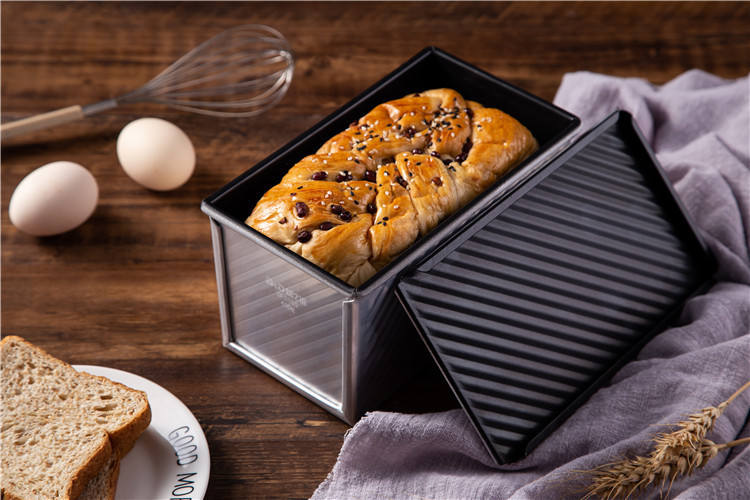
bread loaf pan with lid
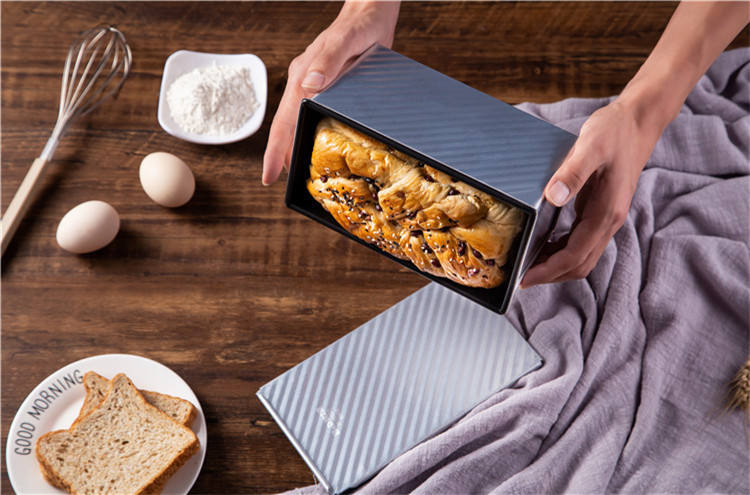
loaf pan with cover
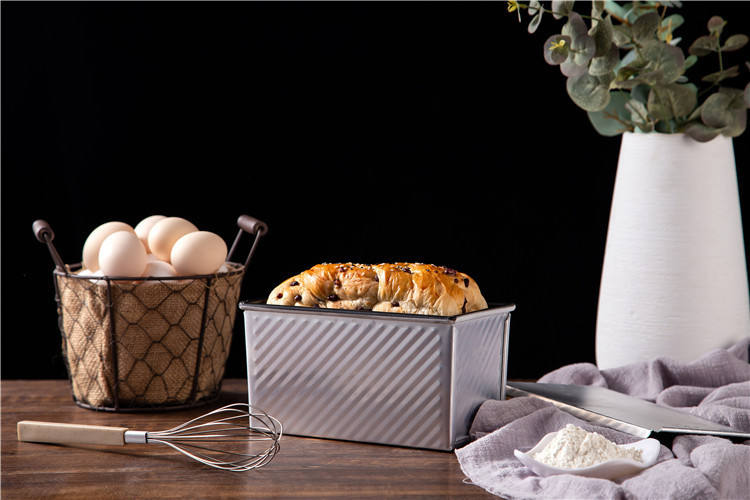
bread pan with lid
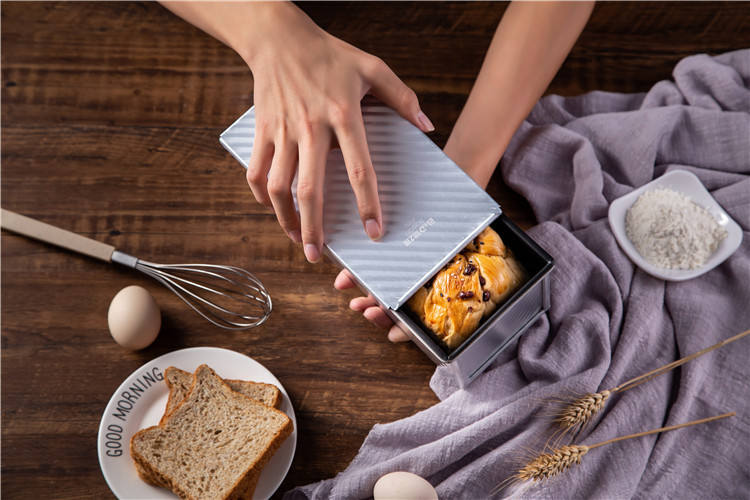
bread baking tin with lid
