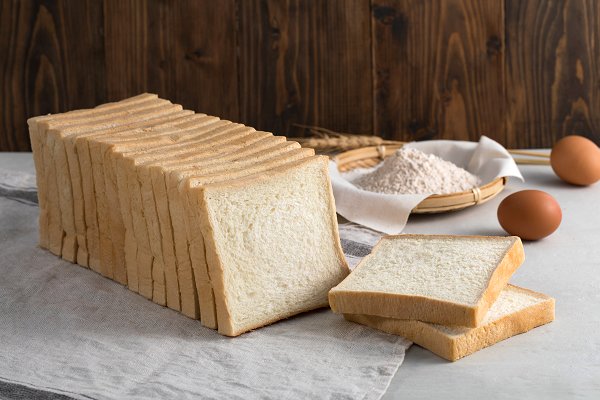

Stackable Triple Connected Non-Stick Loaf Pan Optimizes Global Commercial Bakery Production & Storage Efficiency
The new integrated triple-loaf toast mold has been upgraded for deployment in industrial scale bread production lines. Featuring practical design elements such as a stackable structure, food-grade non-stick coating, and enhanced breathability for moisture release it specifically addresses the mass production and storage pain points faced by large-scale toast factories and bakery chains.
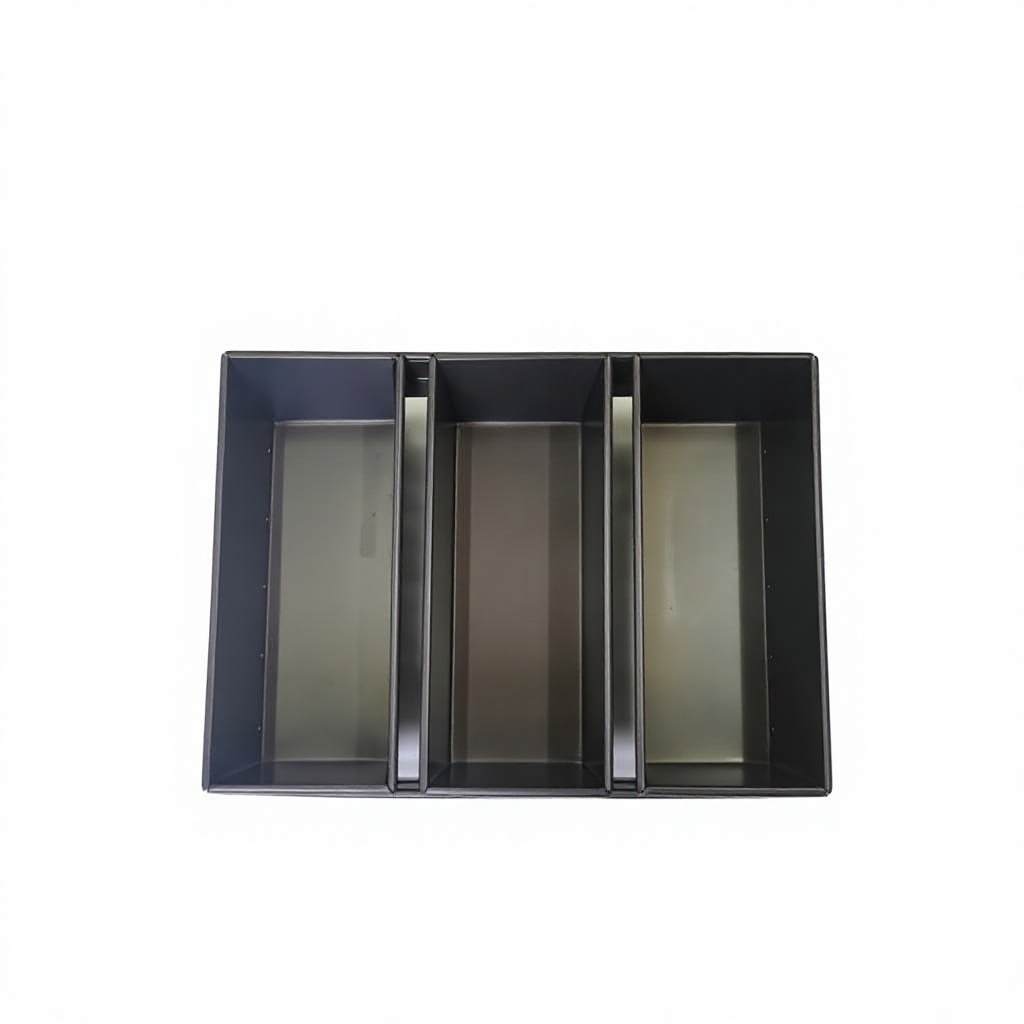
Faced with the rapid growth and upgrading of the global bakery industry, commercial toast production equipment has been constantly developed to meet the large-scale, cost-efficient and space-saving manufacturing needs. Indeed, the newly updated triple-cavity connected stackable toast baking tray has become a vital core baking tool for industrial bread makers as well as international chain bakery brands. It not only addresses several long-standing issues of traditional single loaf pans such as inefficient oven loading, excessive warehouse space, high raw material waste from stuck bread and frequent pan deformation during high-temperature baking but also has stood the test of industrial trials and went through the subsequent technical tuning. It has been sold in large quantities in the bakery markets of the Middle East, Europe, North America and Southeast Asia, consistently receiving excellent reviews from professional bakery operators worldwide.
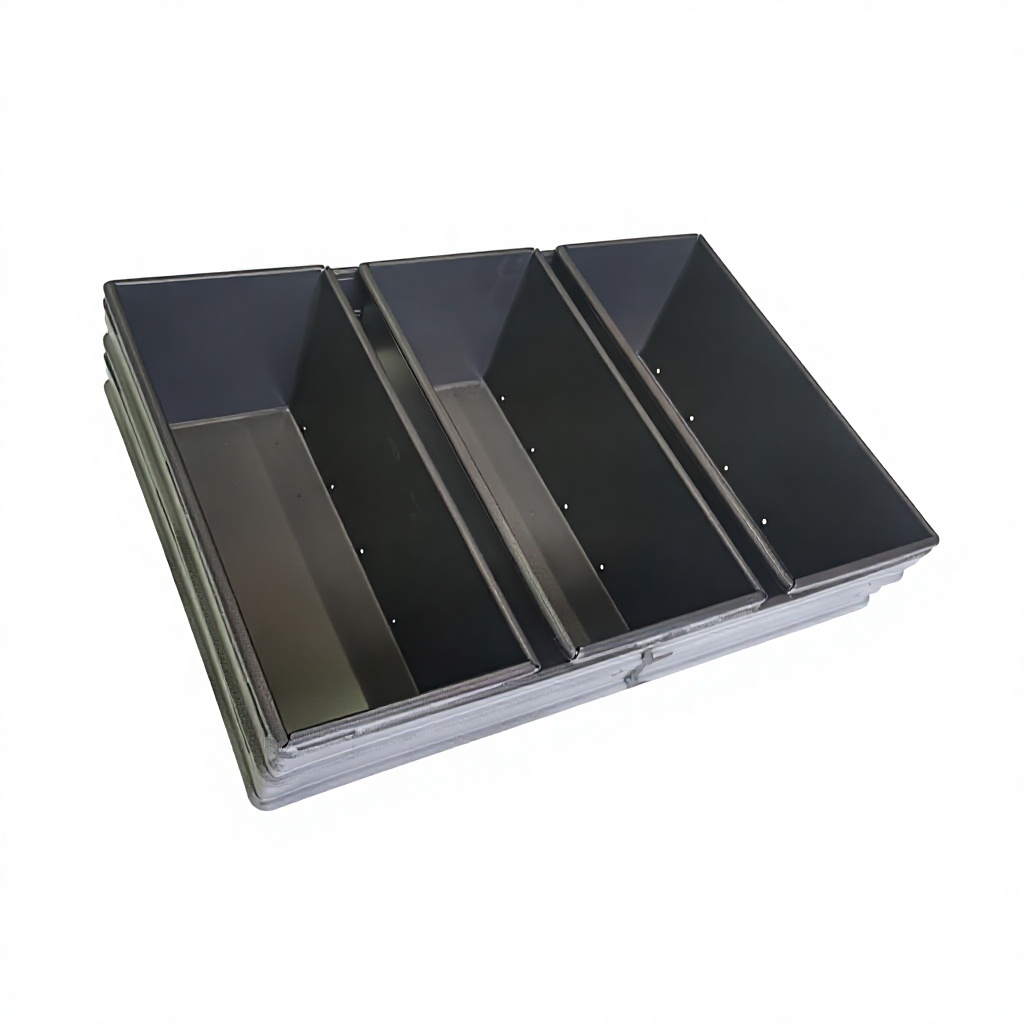
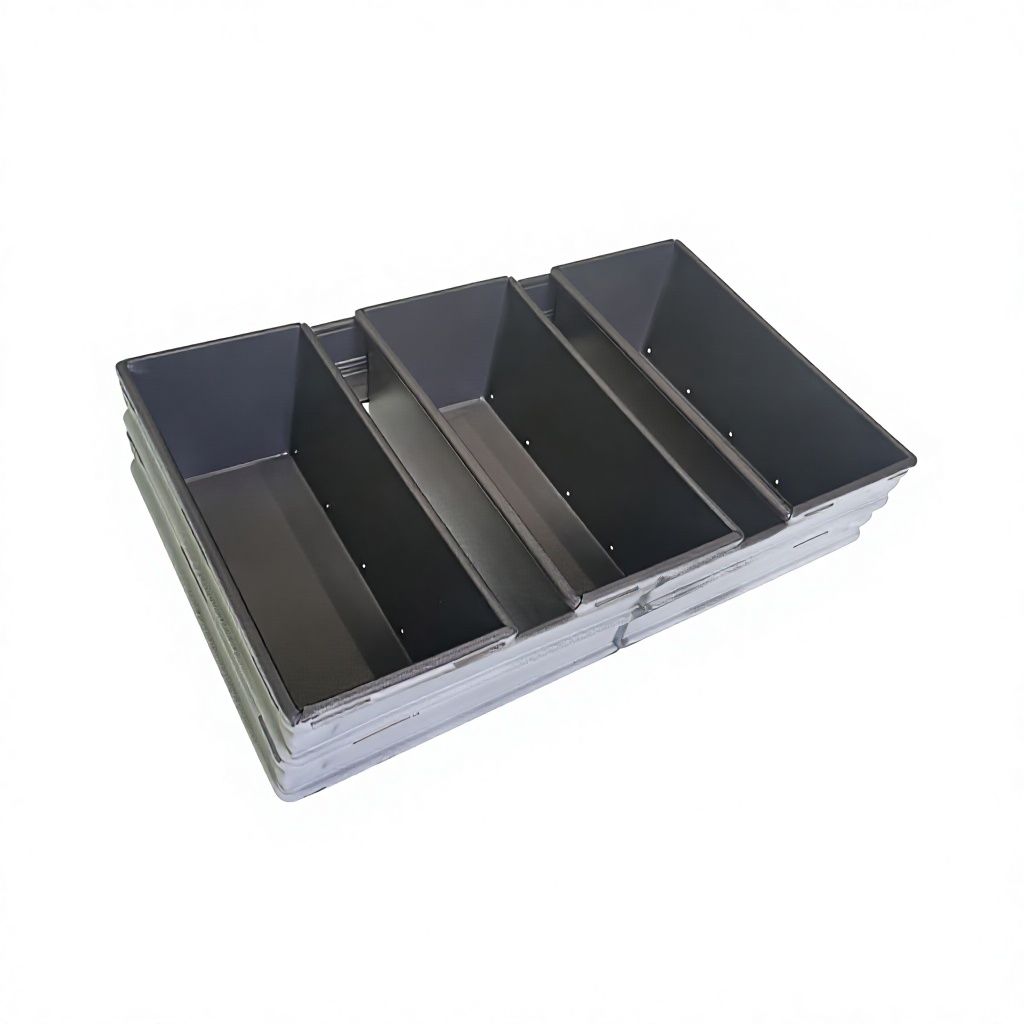
The major competitive factor of this baking pan lies in its combined three-connected cavity structure and patented stackable reinforced rim design, two main features that distinguish it from simple single loaf pans available in the global bakeware market. Unlike free-standing bread molds that force bakery workers to work each pan one by one during oven loading, through very accurate one-time cold forming the three loaf cavities of this product are bound into a single tray. Thus, bakery staff can load the complete connected pan into deck ovens, tunnel baking ovens or rack ovens with just one movement and have three pieces of toast baked simultaneously, which is a great saving of time spent on manual loading in daily mass production. More importantly, the integral production process that also allow an identical internal size for each cavity, resulting in finished bread products that are uniform not only in length but also in height and volume. This is a very important feature for large-scale food plants where tens of thousands of pieces of toast are produced on a daily basis, as it helps them to build standardized toast production lines and realize unified finished product specifications.
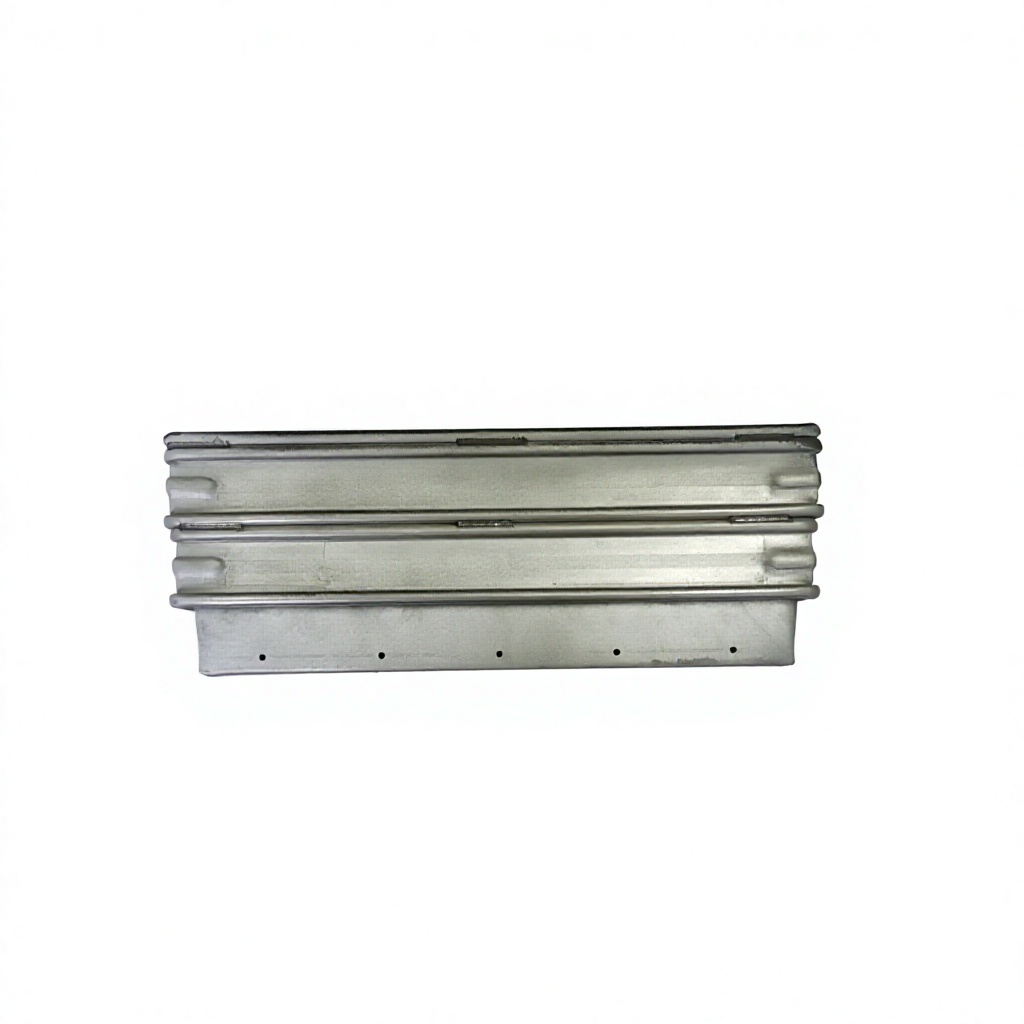
The thickened surrounding upgraded rim with limit slot is a structural feature specially designed for safe vertical stacking and is the main selling point that appeals to space-saving storage and long-distance transportation. When the pans are empty, identical connected pans can be stacked on top of one another in an orderly way under the constraint of the rim’s limit structure, thereby saving about 50% of the storage space needed in bakery workshops and warehouses in comparison with scattered storage of single pans. For modern commercial bakeries, especially those located in downtown areas of developed countries where warehouse rental prices are soaring, the stackable design greatly reduces both fixed site cost and storage management expenditure. At the same time, the interlocking limit structure stops the stacked pans from sliding, shifting or being squeezed out of shape during the loading, unloading and cross-border container transportation, significantly lowering the product damage rate during logistics and providing after-sales replacement cost assistance to bakery buyers. It perfectly matches the tight storage condition of most overseas modern baking factories.
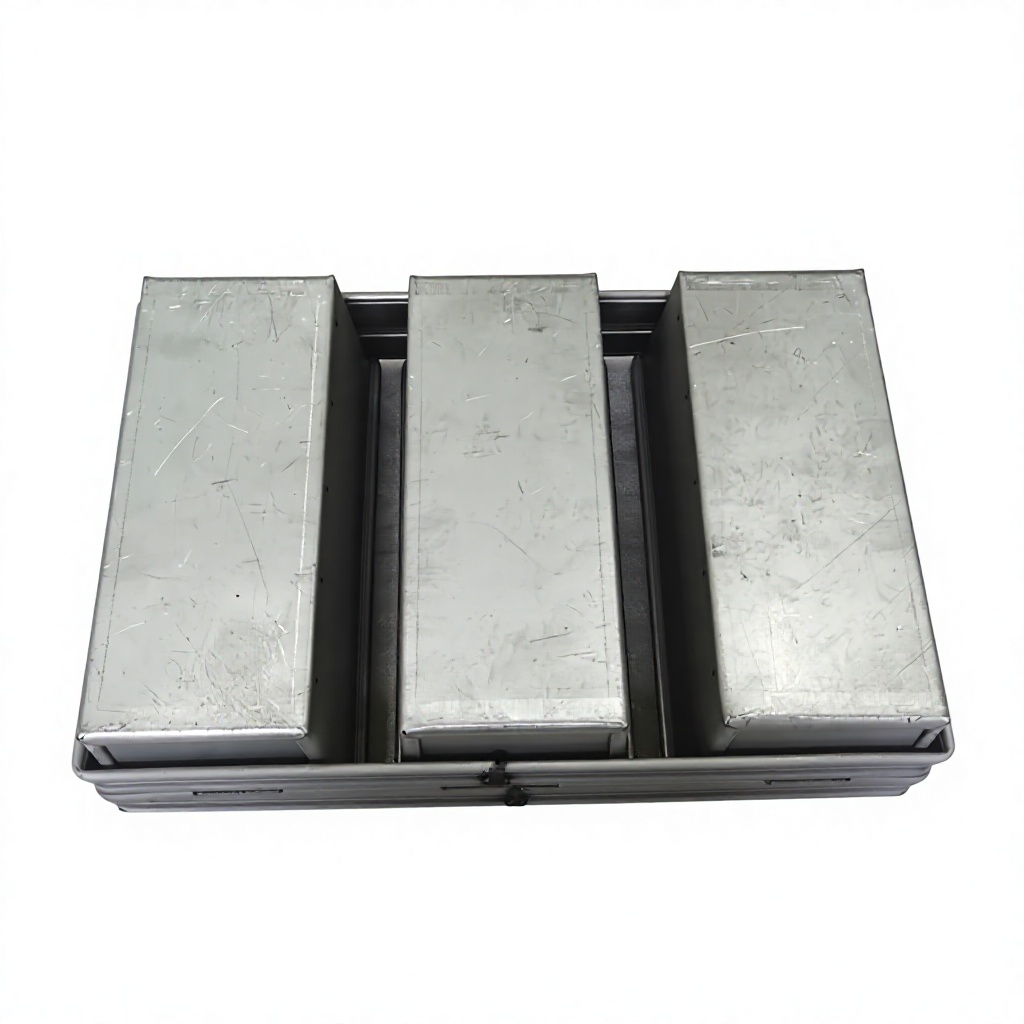
Regarding raw material and the coating on the inner surface, the entire tray is made from thickened industrial-grade Aluminized Steel sheet that has been selected on the basis of commercial baking at high temperatures working environment standards. The thermal conductivity of Aluminized Steel is balanced and as such it permits even spreading of heat inside all three connected cavities when ovens are heated up to the temperature preset for baking. Uniform heating brings about an evenly colored golden crust and avoids partial burnt crust or other coloring disaster of finished products. By virtue of the thickened raw material, the connected pan has excellent anti-deformation properties when subjected to long-term repeated high-temperature processes and drastic temperature changes between hot oven and cool workshop environment cannot cause it to bulge or warp. It has been assessed by one-year continuous full-load baking test in industrial bakeries and found to be 2 to 3 times longer in service life than conventional thin pans, thus reducing recurring pan procurement cost in long-run bakery production.
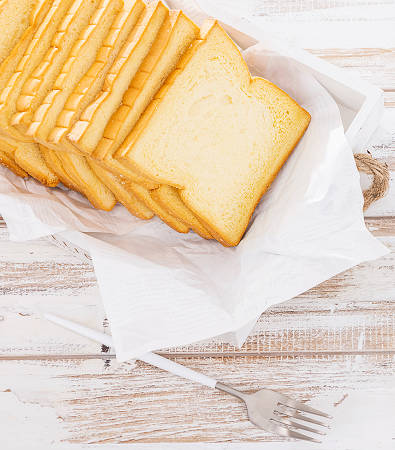
Furthermore, the pan’s inner walls are coated with imported food-grade high-temperature resistant non-stick material that has globally accepted international food contact safety certification. This multilayer coating is still in good condition after baking in a persistent high heat of 260℃. The bread released after flipping the pan over is not torn in any way and there is no crust left on the inner surface. This not only cuts down on the raw material waste caused by the bread stuck to the pan, but also the pan remains clean, and the cleaning process for the non-stick inner surface resists grease and burnt food buildup. Therefore, regular cleaning with a soft brush and clean water greatly reduces labor cost and cleaning supply consumption for commercial bakery kitchens.
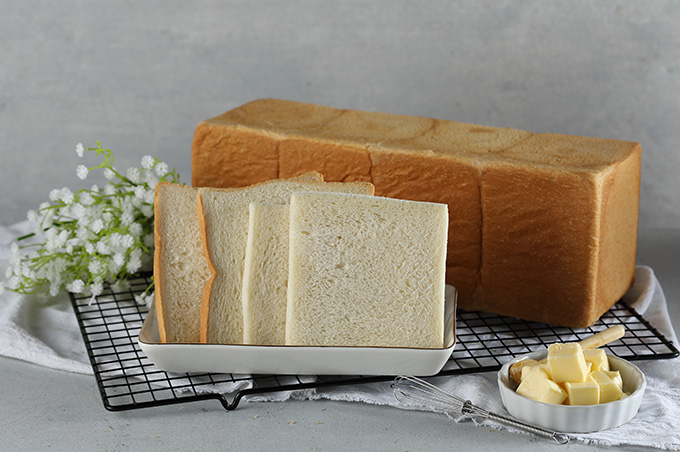
Precisely punched vent holes around 1 mm diameter and evenly spaced at the bottom of each cavity represent a small functional upgrade for toast quality improvement. During baking, the excess steam formed by fermentation rapidly escapes to the outside through these holes, which prevents the problem of the loaf collapsing or the crumb inside being sticky and compact, as well as the other bread qualitiess negatively affected by moisture trapped in the pans closed during the baking process. This pan produces toast with well-distributed large pores and a delicate, elastic crumb which is typical of very white products as well as of whole wheat bread, milk-flavored loaf and sandwich bread, the four most popular types in the global toast market.
Thanks to its advantageous features, a connected stackable toast pan meets commercial bakery needs in a variety of application scenarios around the globe. First and foremost, major industrial factories manufacturing large volumes of toast use this pan for the OEM production of private-label bread that is delivered to supermarket chains worldwide. To industrially integrate baking with stackable storage, the design is perfectly adapted to an automated assembly line workflow comprising dough forming, oven baking, finished product storage and bulk delivery. Secondly, the pan is a favorite of the central kitchens of multinational chain bakery groups for unified production of all toast products, after which refined pre-baked toast is dispatched to the retail stores of the chain bakery brands in different cities and countries, thus central production of the chain bakery brands is simplified to great extent.
Thirdly, large hypermarkets with in-store bakery departments and mid-sized artisan bake shops benefit from the pan’s high-efficiency whole-tray baking, which lifts their daily order fulfillment capacity, while the stackable feature provides an answer to the problem of limited back-kitchen storage space faced by small and medium local bakeries. Fourth, professional culinary training academies as well as baking vocational schools make the best use of the standardized-size connected pans for systematic toast-making courses, the unified pan dimensions help teachers to standardize their teaching effect and students to unify the practical operation finished bread standards. Besides the fixed regular specifications for 300g, 450g,750g and 1000g per loaf, custom cavity size service is also offered to meet differentiated regional recipe demands: oversized heavy-weight toast specification for Middle Eastern bakery market, thin-cut sandwich loaf size for European and North American clients, soft large-crumb toast dimension for Southeast Asian local baking customs, enabling flexible customized procurement for global bakery importers from all continents.