
The Origins and Cultural Significance of the Croissant
The croissant has a rise to fame that is more than just a story about delicious bakery; it is part of a long story about stories!
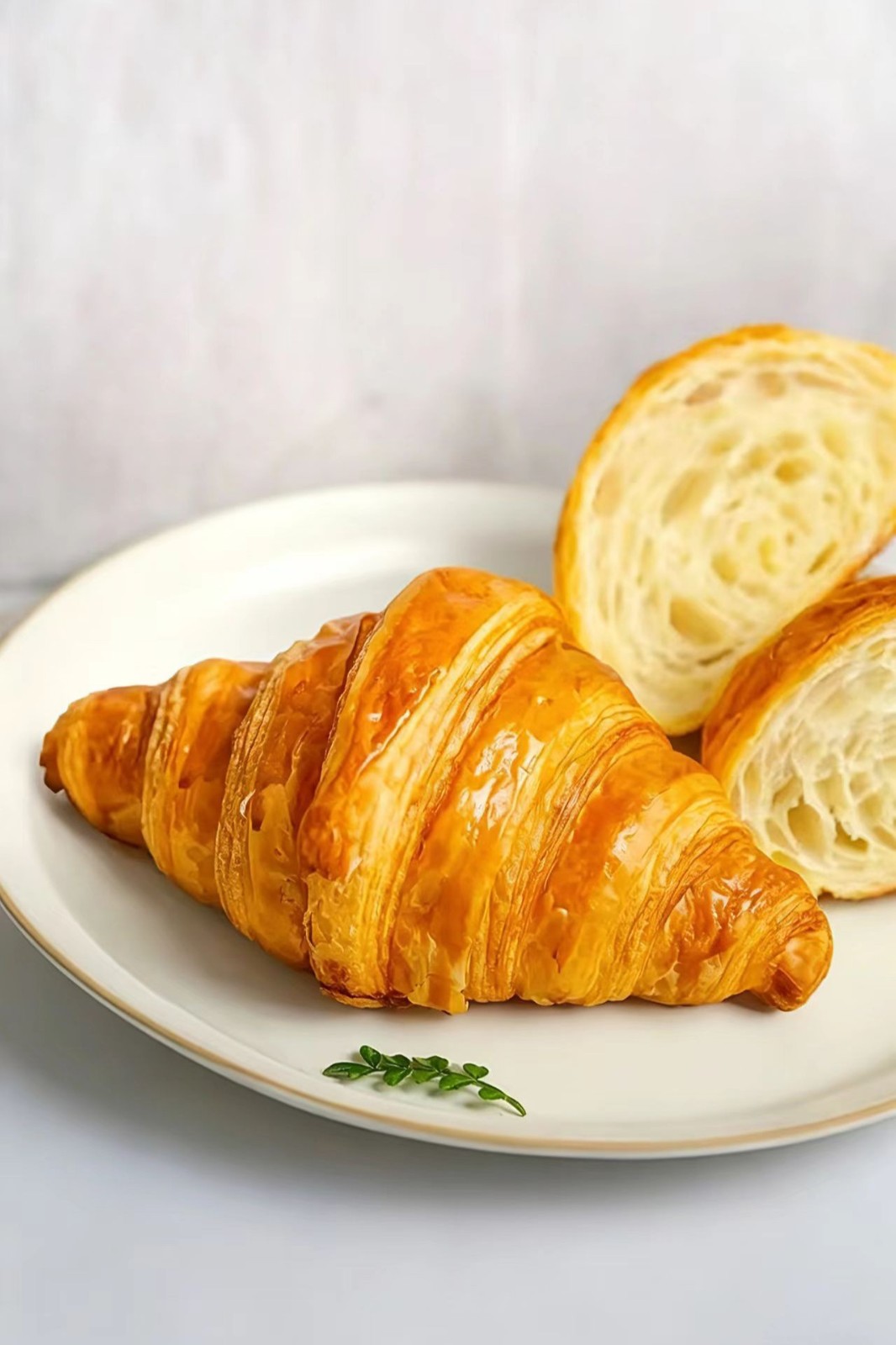
Actually, to begin with, this beloved pastry is entitled to a classic western baked good image and recognition for its shape, which looks exactly like a bull's horn. Not only does it have a beautiful golden and crisp shell which is layered, and you hear the layers breaking on the very first attempt, but it also has a soft and dense inside besides the rich and sweet taste. It is one among the most popular and symbolic food items of Western baking that consumers around the world also love because it's usually an ideal combination of a hard outside with a soft inside.

As for the crescent shape, the croissant is known for, it was a subject of many stories; however the most popular one which has also endured is the history of Vienna's successful defense against the invaders.
The story is that the Turkish army was so big that the Viennese could not but rely on their tools of war, that is the fortified walls. These walls offered an opportunity to the Viennese soldiers to put up a strong defense, drive back the attackers’ repeated efforts and not only that but the victims even had to go away empty-handed. The Turkish forces who were irritated by their failure to break in the city walls the last time thought of the plan that would suit their purpose of sneaking into the city through an underground tunnel by night, so as to be able to surprise attack and conquer the whole city at once.
The city was so quiet that even a sound could be heard in the silence, every single one was in deep sleep - only the bakeries of the city were still illuminated. A baker, who was working all night repudiating the a sounds of the enemy's operation, dug out a suspicious small tunnel - the enemy's assault plot was in front of his eyes; first thing he did was to run and inform the the King and the soldiers of the city. Very soon was a defense organized that turned the tide in favor of the city which managed also to dispel the forces of the Turks which had to retreat in the end.

In memory of the heroic baker and in celebration of the victory achieved by great sacrifice, the bakers of Vienna shaped their bread after the crescent moon—the insignia that appeared on the Turkish flag. This not only conveyed their intent to chronicle the heroic act and commemorating the hero, but it also gave rise to a timeless classic that continues to be passed on from generation to generation. Besides, among Christians, the form of the croissant has taken on such a symbolic meaning of death and rebirth that it can be said that the tasty pastry is a mixture of historical and humanistic depths, which is why it has become a symbol that brings together cooking and culture.