

A perfectly baked loaf of bread should have an evenly golden-brown crust from top to bottom. However, many bakers occasionally encounter a frustrating issue: pale or white spots on the bottom of the loaf. These blemishes are not merely cosmetic; they often indicate underlying issues with preparation or baking conditions. Understanding the common causes—such as uneven greasing or dough temperature—can help you prevent this problem, whether you're using a standard bread loaf tin, a set of bread baking tins, or a specialized pullman bread pan.
One of the most frequent culprits behind white spots is the uneven application of release agent on the bread baking pan. When butter, oil, or non-stick spray is applied inconsistently—leaving some areas of the pan thinly coated or completely dry—those ungreased patches create a barrier between the dough and the hot metal surface. This barrier inhibits efficient heat transfer, resulting in poor browning and the formation of light spots exactly where the dough stuck to the pan. This issue can affect all types of loaf bread pans, especially those with corners or intricate designs. To prevent this, ensure you grease every surface of your bread loaf tin thoroughly, including the corners and seams, using a pastry brush or a paper towel for even coverage.
Another common cause is baking with dough that is too cold. When dough is placed into a preheated bread baking pan directly from the refrigerator, the significant temperature difference can shock the dough's surface. The cold spots, especially on the bottom where contact with the pan is direct, bake more slowly than the rest of the loaf. This delayed heating interrupts the Maillard reaction—the chemical process responsible for browning—leading to pale, underdeveloped patches. This is particularly noticeable when using multiple bread baking tins in a single batch, as some tins may be cooler than others. The solution is straightforward: always allow your shaped dough to come to room temperature or complete its final proof at ambient temperature before transferring it to the oven. For doughs baked in a pullman bread pan, which has a larger thermal mass, bringing the dough to room temperature is even more critical for even heat penetration.
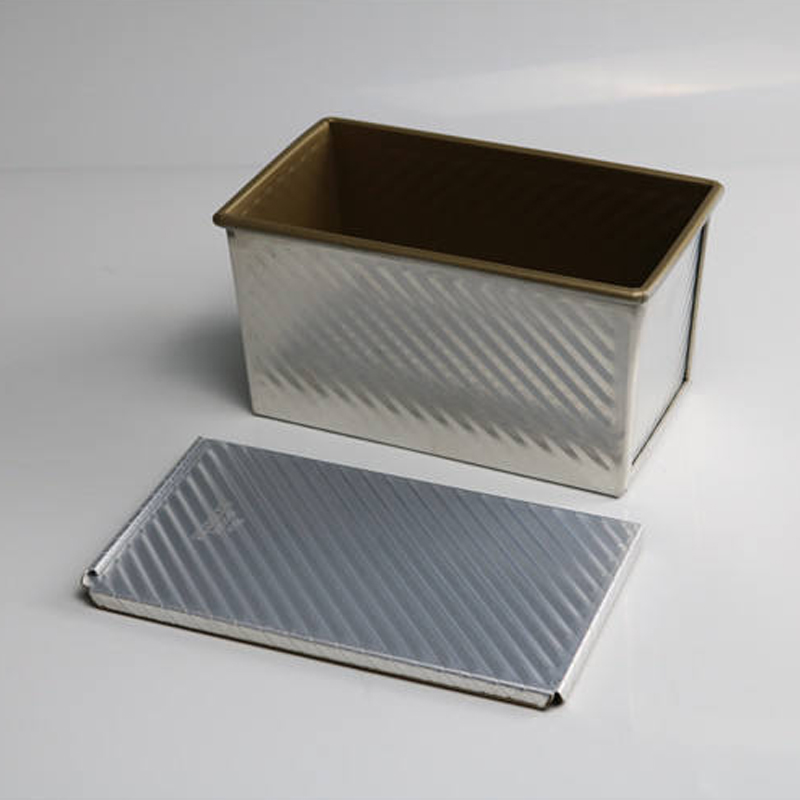
bread baking pan
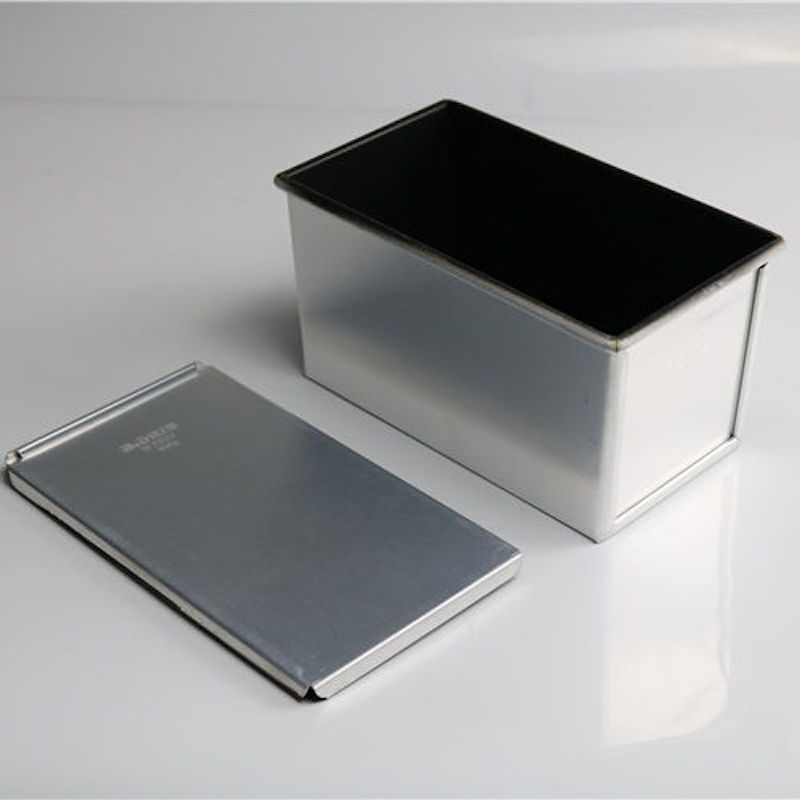
bread baking tins
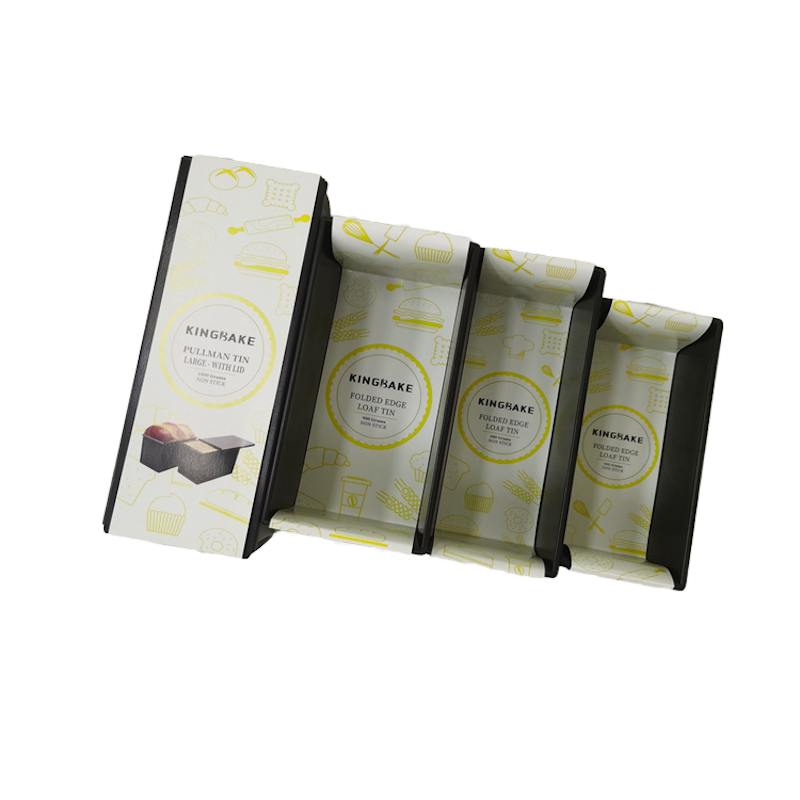
bread loaf tin
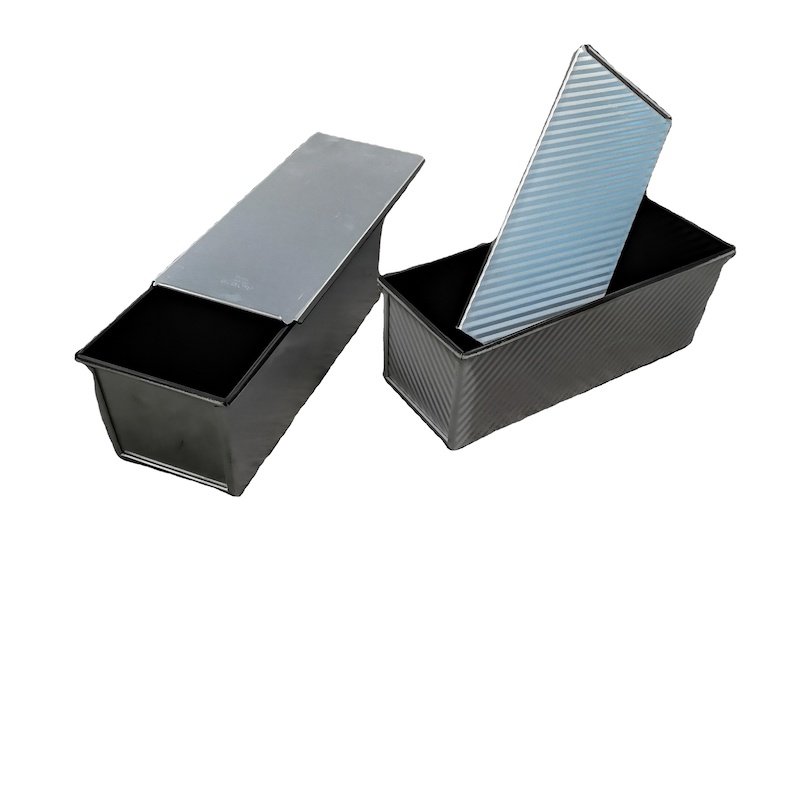
loaf bread pans
Other contributing factors can include oven hotspots, an under-preheated pan, or using a dark bread baking pan at too high a temperature, which can cause the edges to brown too quickly while the center bottom remains pale. To promote all-over browning, ensure your oven is fully preheated, consider using an oven thermometer to verify temperature accuracy, and rotate your bread loaf tin halfway through the baking process if your oven has uneven heating.
White spots on the bottom of bread typically point to preparation oversights rather than recipe flaws. By greasing your bread baking pan or bread baking tins meticulously and ensuring your dough is at room temperature before it meets the heat of your loaf bread pans, you can promote uniform heat transfer and consistent browning. Whether baking in a classic bread loaf tin or a lidded pullman bread pan, these simple yet effective adjustments will help you achieve a beautifully golden, spot-free crust on every loaf.
Fujian Kingbake Food Appliance Co.,ltd is a professional manufacturer specializing in R&D, production, sales and service. We specializes in manufacturing loaf bread pan, multi-cavity cake/bread tray, burger pan , hot dog pan,baguette pan, trolley etc. Fujian Kingbake Food Appliance Co., Ltd. provides professional ODM and OEM solutions for global customers, supplying commercial-grade molds designed specifically for baking and industrial applications.
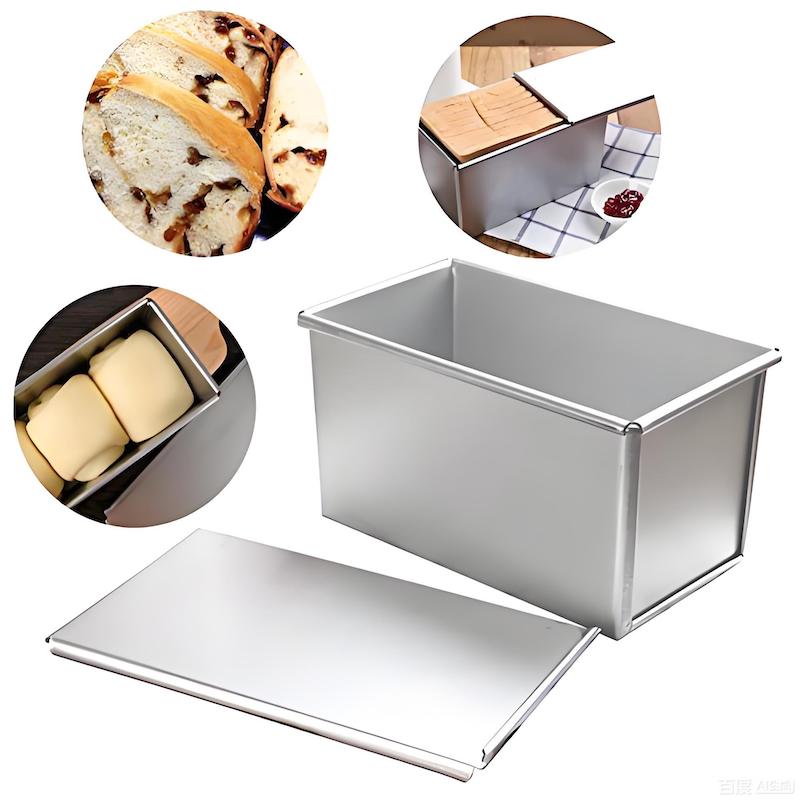
pullman bread pan
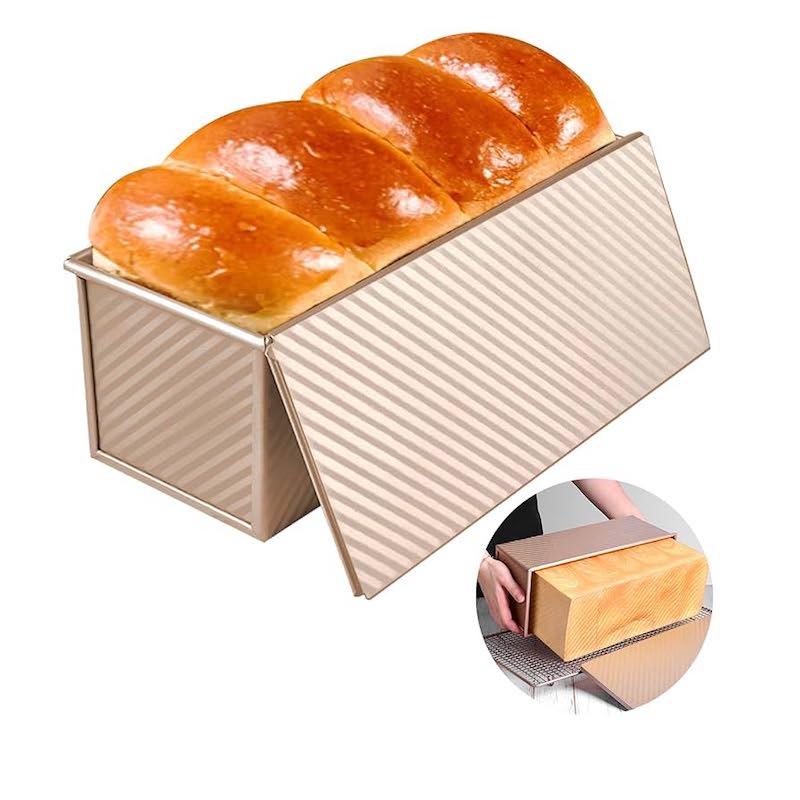
bread baking pan
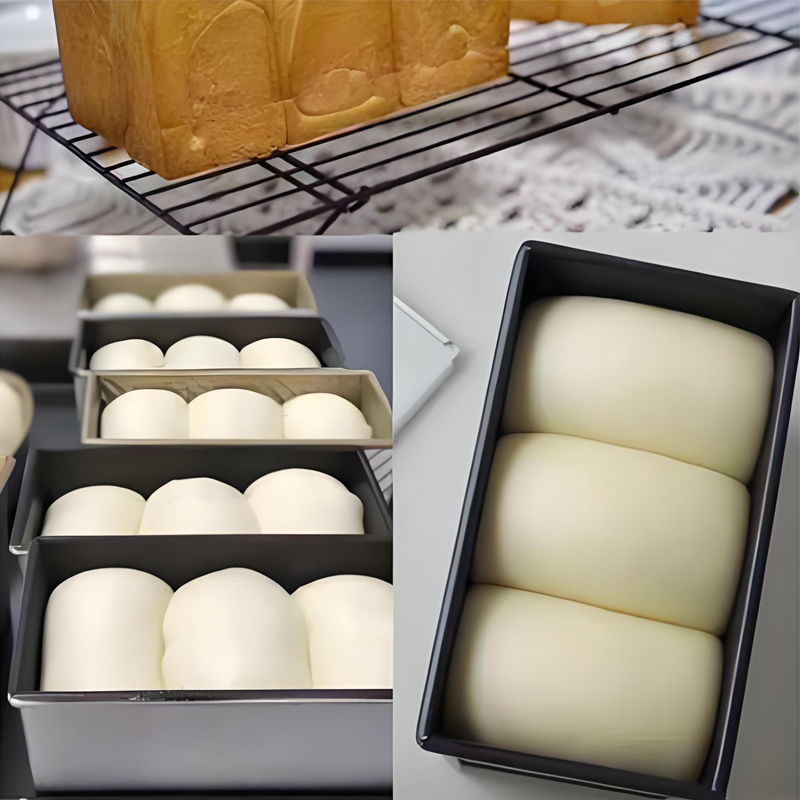
loaf bread pans
pullman bread pan
