

For bakers seeking to perfect their craft, especially when making crusty, artisanal loaves, the choice of bakeware is more than a minor detail—it is a critical factor that shapes the final product. A perforated French bread pan, characterized by its evenly spaced small holes, is designed with a clear purpose: to directly influence both the texture and structure of the bread. But how exactly do these perforations work, and do they truly make a difference? The answer is a definitive yes. The holes in a perforated bread pan are not merely aesthetic; they are functional elements that actively improve crust quality, prevent sogginess, and promote an even, attractive shape.
The primary function of the holes in a perforated baguette pan is steam management. During baking, moisture rapidly evaporates from the dough's surface. In a solid bread baking pan, this steam can become trapped underneath the loaf, leading to a pale, soft, or even soggy bottom crust. The perforations in a perforated baguette tray provide an escape route for this excess steam. By allowing it to dissipate quickly, the pan ensures that the bread's entire surface—especially the bottom—is exposed to dry, circulating hot air. This process is essential for achieving a uniformly crisp and deeply caramelized crust, the signature of a well-made French loaf or baguette.
Beyond crust development, the holes contribute to a more consistent loaf shape. A standard bread baking pan can sometimes inhibit oven spring—the final rapid rise of the dough in the oven's heat—if the dough sticks or if air circulation is uneven. A perforated bread pan minimizes contact between the dough and the pan's surface, reducing friction and allowing the loaf to expand freely and symmetrically. Whether using a classic perforated French bread pan or a multi-loaf perforated baguette tray, bakers will notice that their loaves maintain a more regular, professional form with a better-defined ear and score expansion.
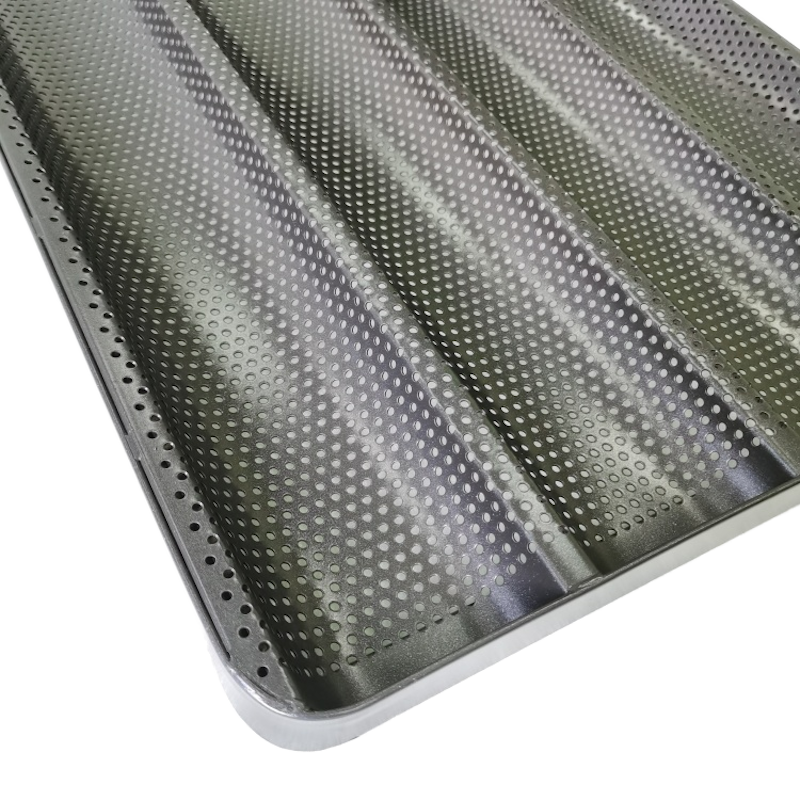
perforated bread pans
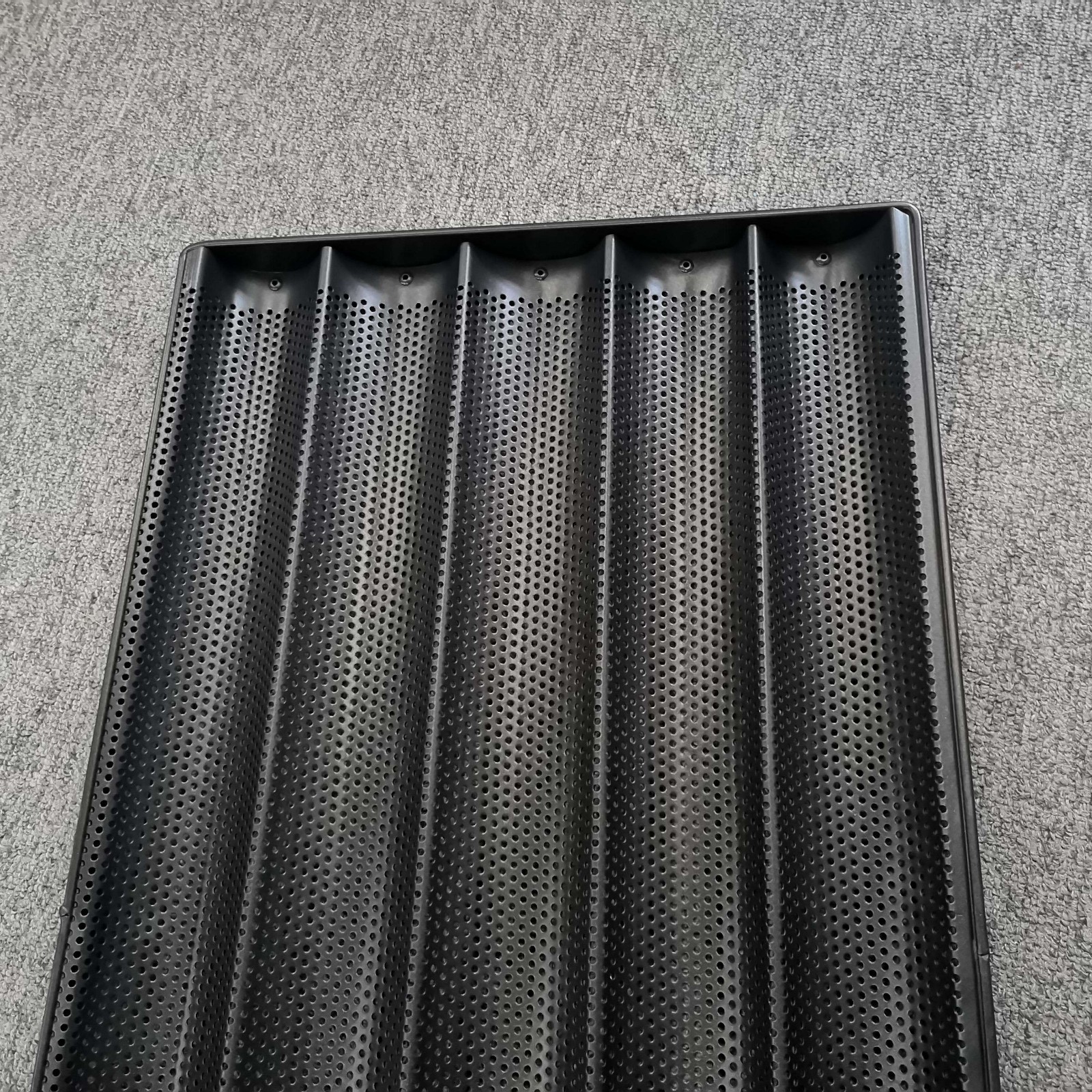
perforated bread pans
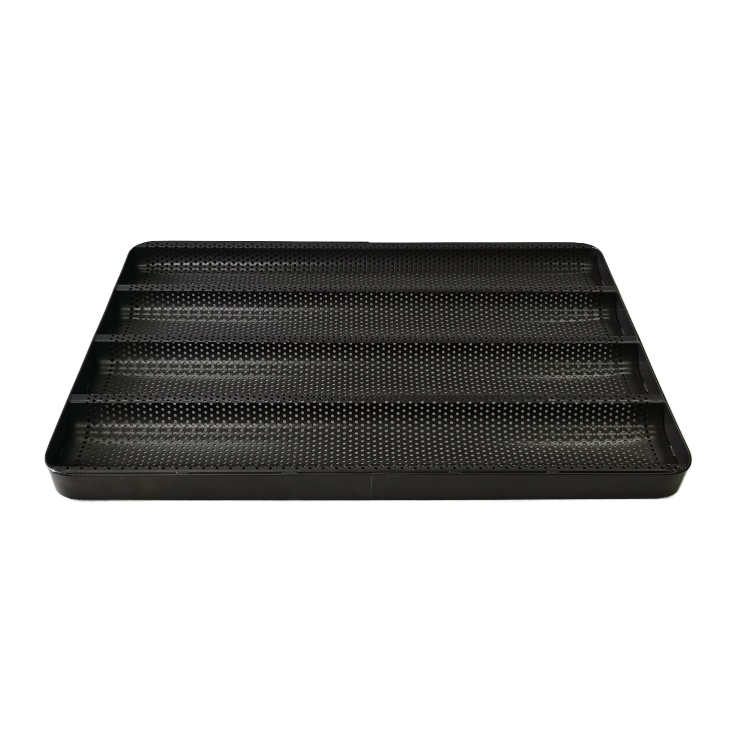
perforated French bread pan
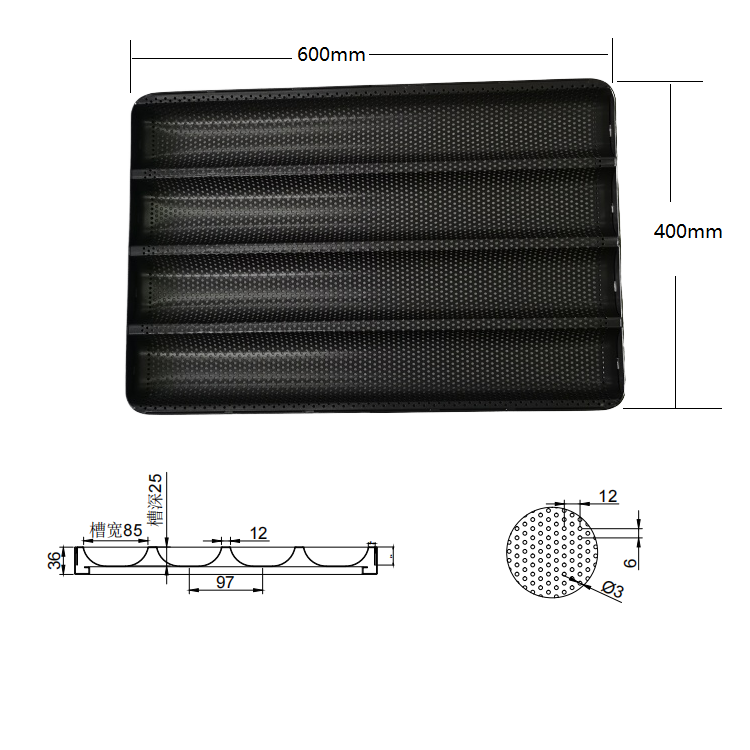
perforated baguette tray
The impact on texture is equally significant. The enhanced crust crispiness provided by a perforated baguette pan creates a delightful contrast with the soft, airy crumb inside. Furthermore, the efficient heat transfer through the perforations means the bread bakes more evenly from all sides. This prevents dense or gummy spots that can occur when heat is not distributed uniformly, a common challenge with some solid bread baking pan designs. For recipes that require a strong, crackly crust and an open, light interior—such as traditional baguettes, ciabatta, or rustic country breads—a perforated French bread pan is an invaluable tool.
It is important to note that these pans are specialized. A perforated bread pan is ideal for lean, wet doughs where crust development is a priority. For softer sandwich breads or enriched doughs, a traditional solid bread baking pan might be preferable. However, for anyone focused on artisan-style baking, investing in a perforated baguette tray can elevate results dramatically. The small holes are a deliberate design feature that solves specific baking challenges, turning the pan from a passive container into an active participant in creating superb bread.
Small holes in a perforated French bread pan—whether called a perforated baguette pan, a perforated bread pan, or a perforated baguette tray—positively and profoundly affect the bread's shape and texture. By controlling steam, improving heat circulation, and promoting uniform expansion, this special bread mold helps bakers achieve a crispier crust, prevent the bottom from becoming soggy, and produce bread with a uniform shape. For enthusiasts and professionals alike, understanding and utilizing this tool is a key step toward mastering the art of perfect crusty bread.
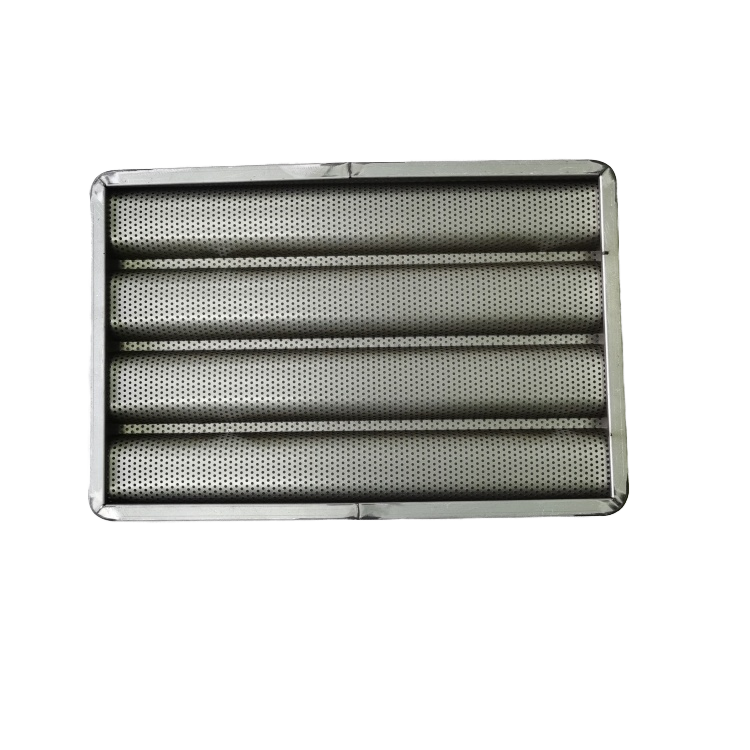
bread baking pan
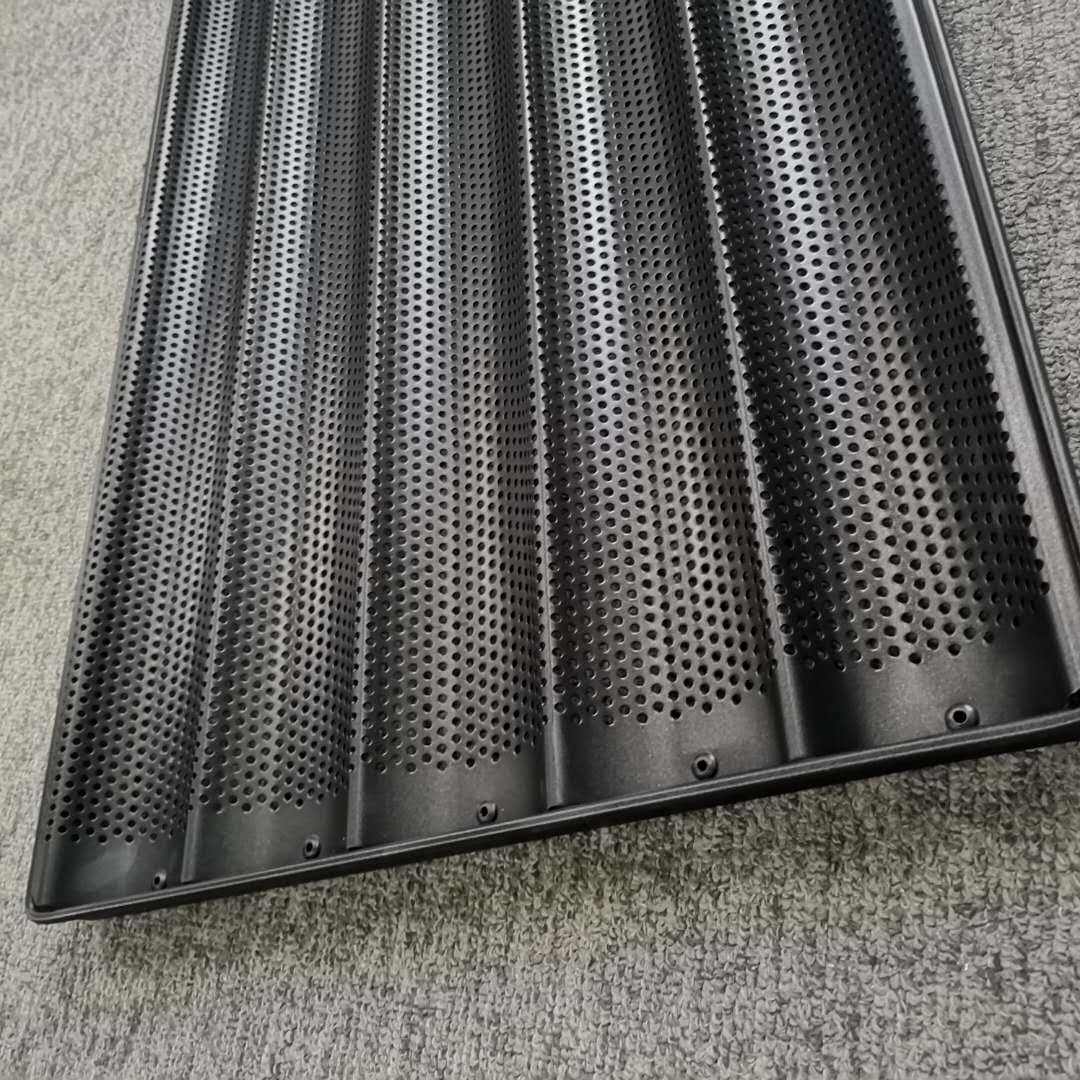
perforated baguette pan
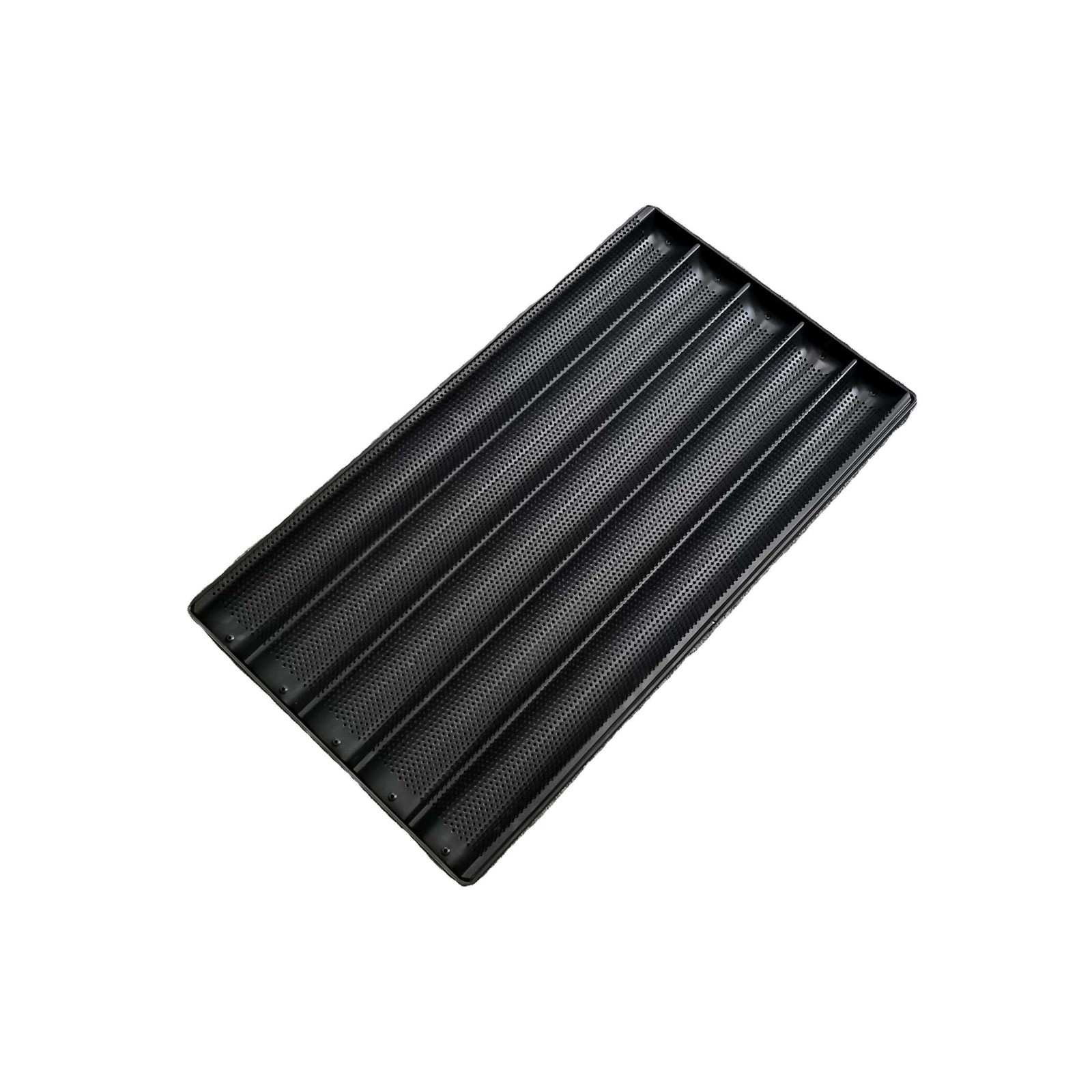
perforated baguette tray
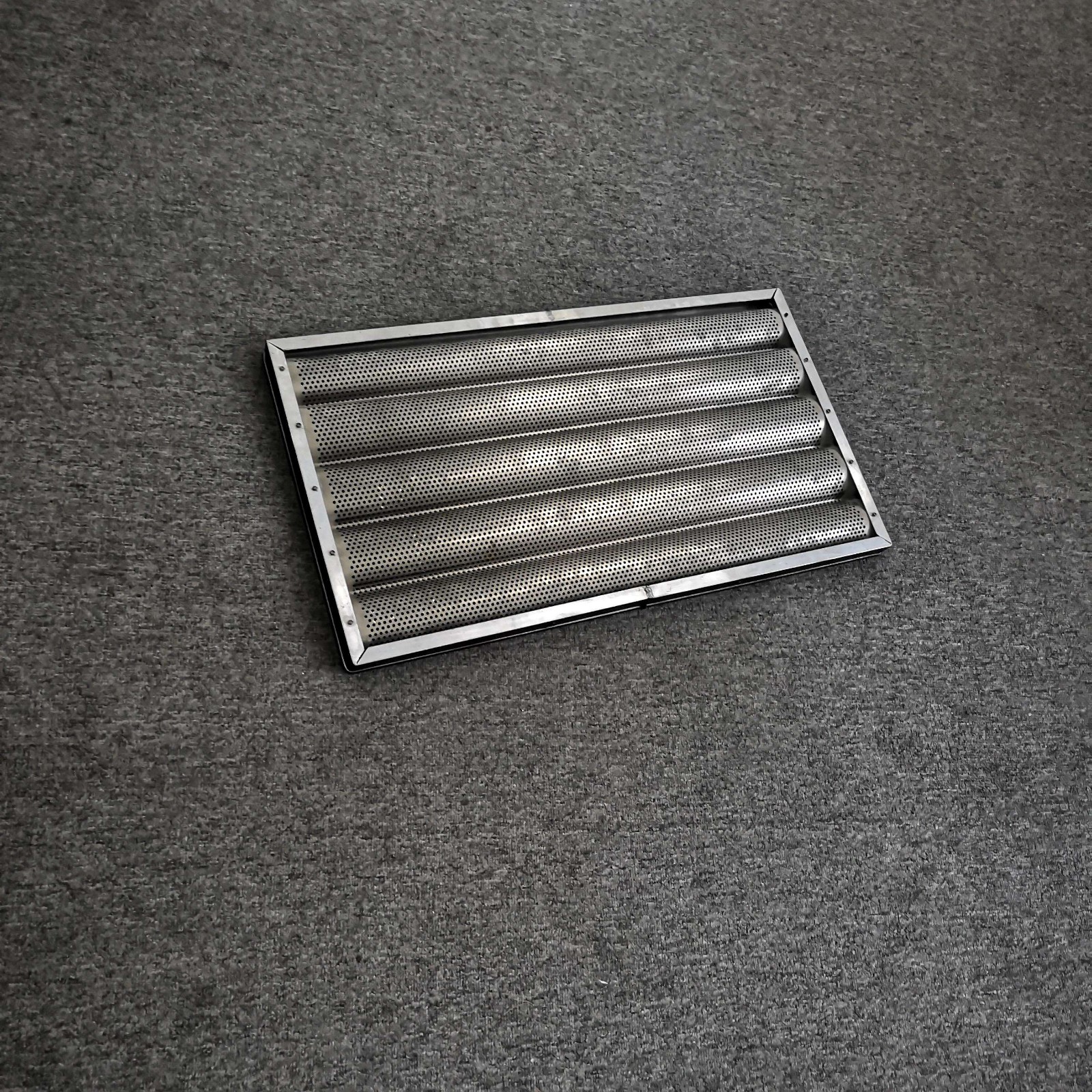
perforated bread pans
