

In the art and science of bread baking, every element of the process—from ingredients to equipment—plays a crucial role in shaping the final product. One piece of equipment that dramatically transforms baking outcomes is the loaf pan with lid. Often referred to as a Pullman pan, this specialized bakeware creates a unique baking environment that directly influences the bread's structure, texture, and appearance. Whether you are using a standard bread pan with lid, a deep loaf bread pan with lid, or a classic loaf pan with cover, understanding how the lid functions can help you achieve specific and consistent results, particularly for breads meant to be sliced uniformly.
The most apparent effect of using a bread loaf pan with lid is on the physical shape of the loaf. In an open pan, dough expands upward during the final rise and oven spring, forming a rounded, domed top. However, when a lid is placed on a loaf pan with lid, it acts as a physical barrier that restricts upward expansion. The dough is instead directed to fill the rectangular cavity evenly, producing a loaf with perfectly flat top and bottom surfaces and straight, defined sides. This geometry is ideal for sandwich bread, as it allows for neat, rectangular slices of consistent thickness—something difficult to achieve with a domed loaf. Thus, a bread pan with lid is the tool of choice for bakers prioritizing uniformity and practical portioning.
Beyond shape control, the lid significantly alters the internal crumb structure and crust development. Baking bread in a sealed loaf bread pan with lid creates a humid, enclosed microclimate. The steam released from the dough remains trapped, keeping the dough surface moist during the initial stages of baking. This moisture delays crust formation, resulting in a thinner, softer, and more tender crust compared to the thick, crisp crust developed in open-air baking. Furthermore, this moist environment promotes a finer and more even crumb texture. The air cells within the dough remain small and uniform, yielding the soft, pillowy interior characteristic of traditional sandwich loaves, milk bread, or other enriched doughs. For these styles, a loaf pan with cover is not merely convenient but essential for achieving the desired delicate texture.
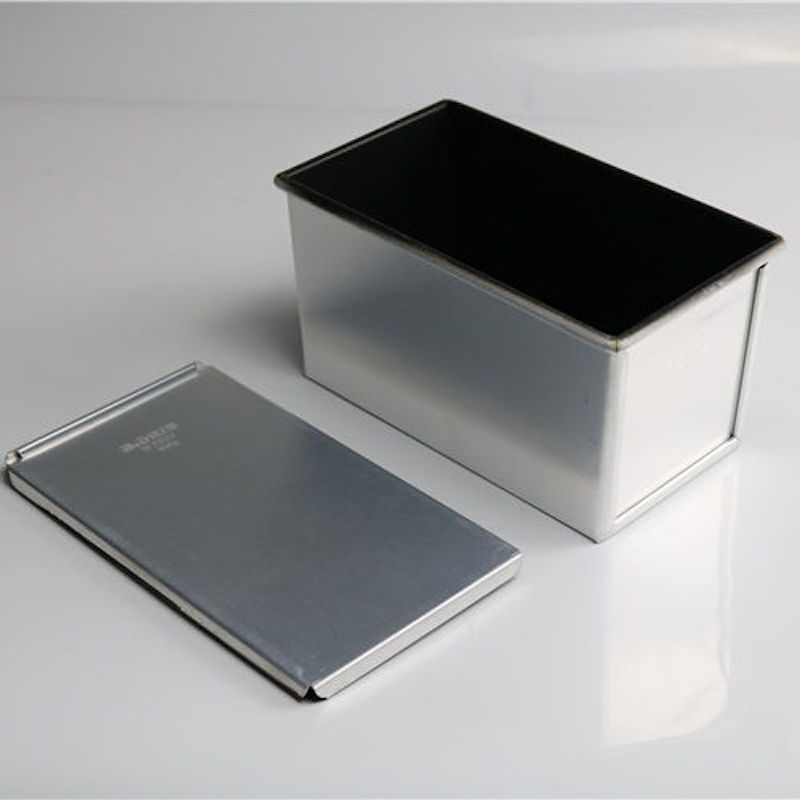
loaf pan with lid
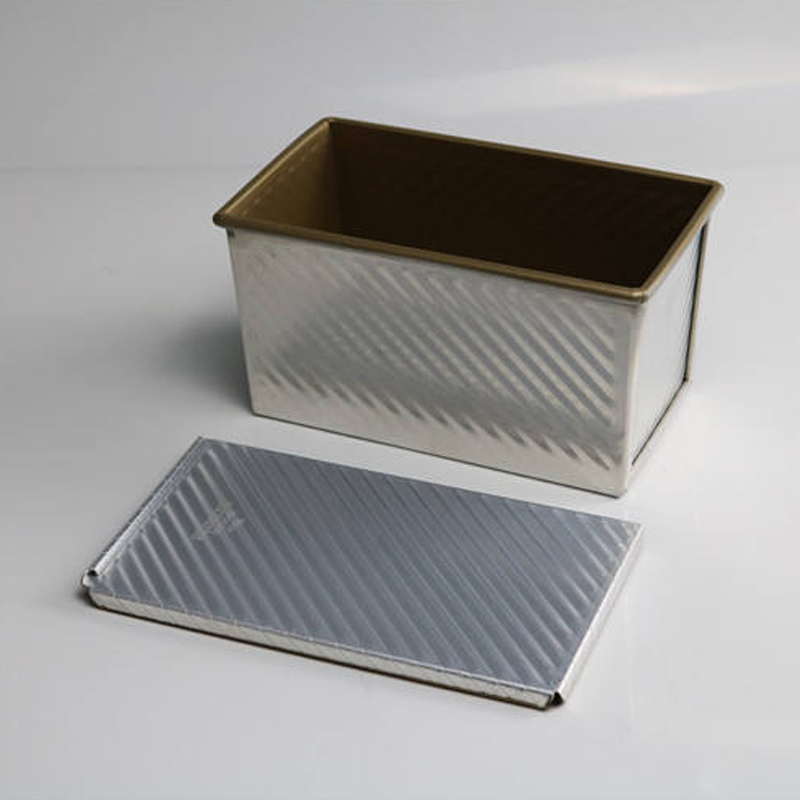
bread pan with lid
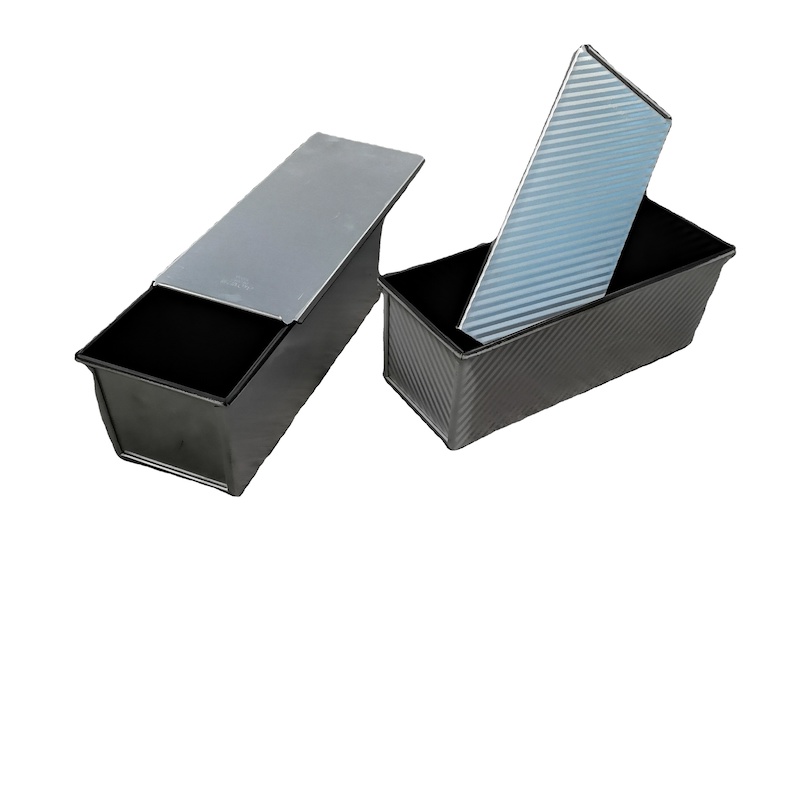
loaf bread pan with lid
The presence of a lid also impacts heat distribution and baking time. The enclosed space of a bread loaf pan with lid can cause heat to build up slightly differently than in an open pan. This may require minor adjustments to oven temperature or baking duration to prevent the bottom from over-browning while ensuring the loaf is fully baked through. Additionally, by preventing a hard crust from forming too early, the lid allows the dough to achieve maximum oven spring, contributing to a lighter, well-risen loaf. Bakers using a loaf pan with lid should be prepared to monitor their loaves closely and adjust their usual baking parameters accordingly.
Finally, the versatility of a bread pan with lid adds to its value. Many such pans are designed with removable lids, effectively offering two bakeware options in one. The same loaf bread pan with lid can be used with the lid on to produce square sandwich loaves or with the lid off to bake traditional domed artisan breads or even cakes and meatloaves. This adaptability makes it a smart investment for home bakers with limited storage space or those who enjoy experimenting with different bread styles.
The lid on a loaf pan with lid is a powerful tool that controls expansion, modifies crust and crumb texture, and requires mindful adjustment of baking technique. By containing the dough and regulating humidity, it enables bakers to produce loaves with a flat top, soft crust, and fine crumb, perfectly suited for slicing and sandwiches. For anyone seeking precision, consistency, and professional-quality results in their baking, mastering the use of a lidded pan is an essential and rewarding skill.
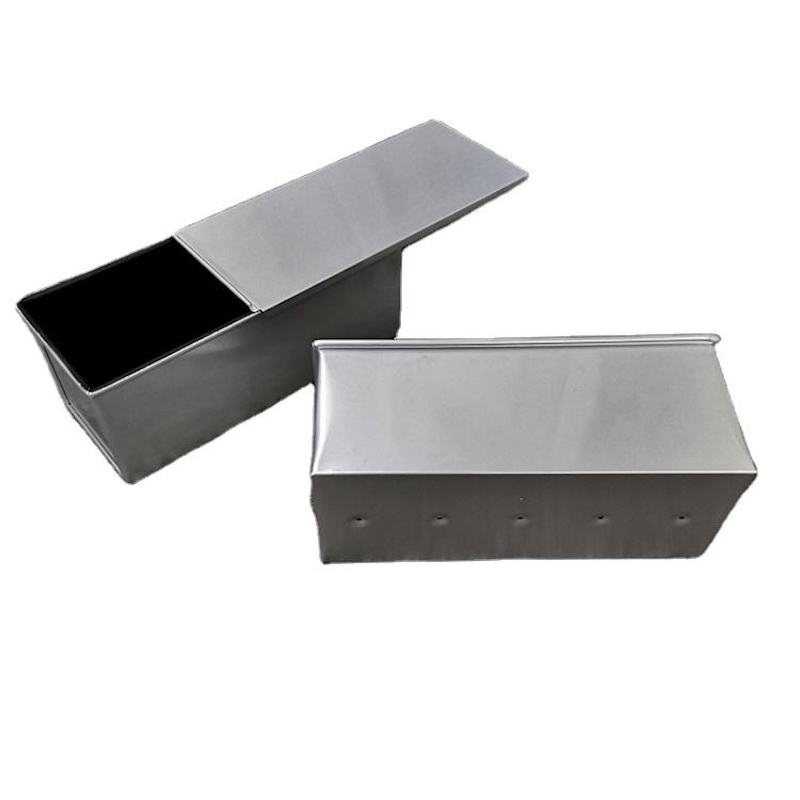
bread loaf pan with lid
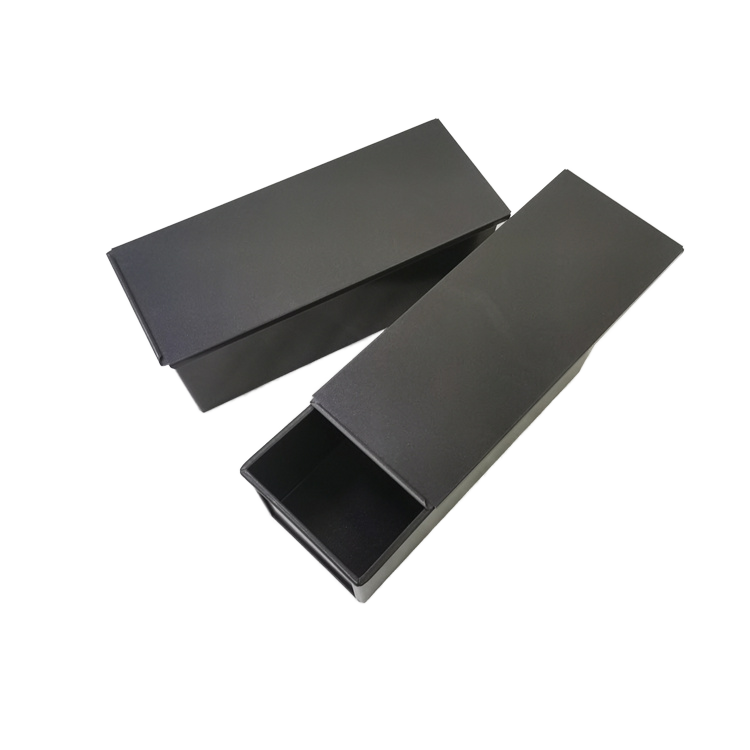
loaf pan with cover
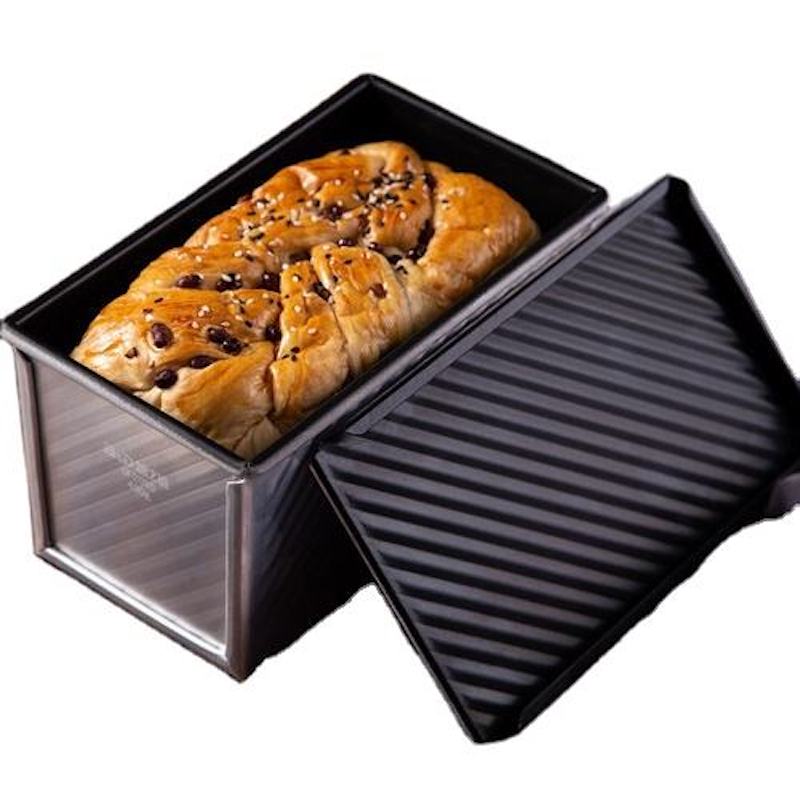
loaf bread pan with lid
