

A common and frustrating experience for many bakers—from beginners to seasoned enthusiasts—is opening the oven to find dough has spilled over the sides of their bread baking pan. This messy overflow can burn on the oven floor, create unevenly baked loaves, and complicate cleanup. Whether you're using a classic bread loaf tin, a set of standard loaf bread pans, specialized pullman loaf pans, or multiple bread baking tins, understanding why overflow happens and how to prevent it is key to achieving picture-perfect bread every time.
Overflow typically occurs when the dough volume exceeds the capacity of the bread baking pan during fermentation and baking. As dough proofs and heats, it expands significantly—a process known as oven spring. If the pan is too full initially, this natural expansion has nowhere to go but over the rim. This issue is particularly noticeable with active yeast doughs, enriched doughs containing eggs or butter, or recipes adapted for different pan sizes. For example, a recipe developed for a deep bread loaf tin might overflow a shallower loaf bread pans if not adjusted.
The most straightforward solution is to reduce the amount of dough. Before baking, weigh your dough and compare it to the recommended capacity of your bread baking tins. A standard 9x5-inch bread loaf tin typically holds about 1.5 to 1.75 pounds (680–790 grams) of dough comfortably. As a general rule, fill any loaf bread pans only two-thirds to three-quarters full before the final proof. This leaves ample room for the dough to rise beautifully without escaping. If you are scaling a recipe up or down, recalculate the ingredient proportions to match your pan's volume.
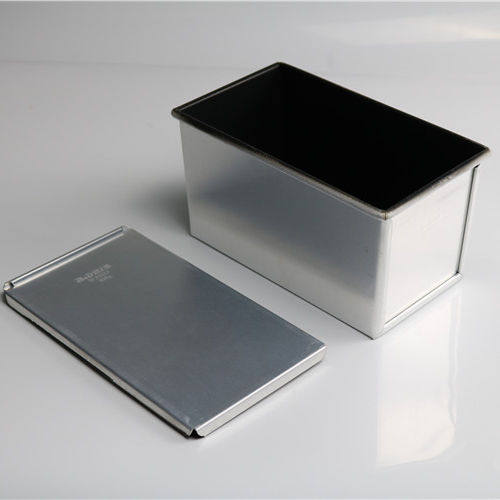
bread baking pan
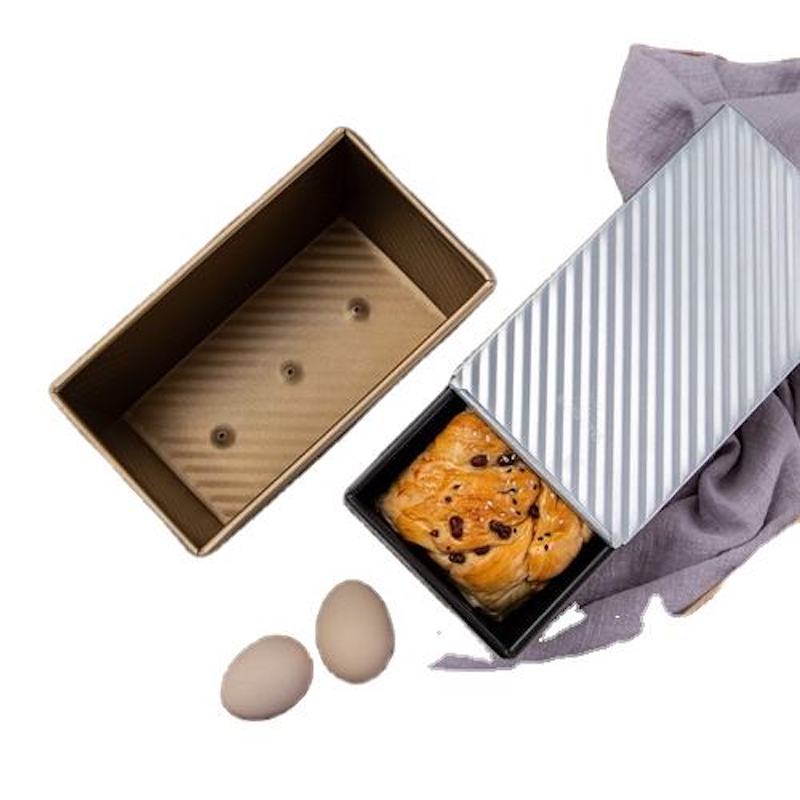
bread baking tins
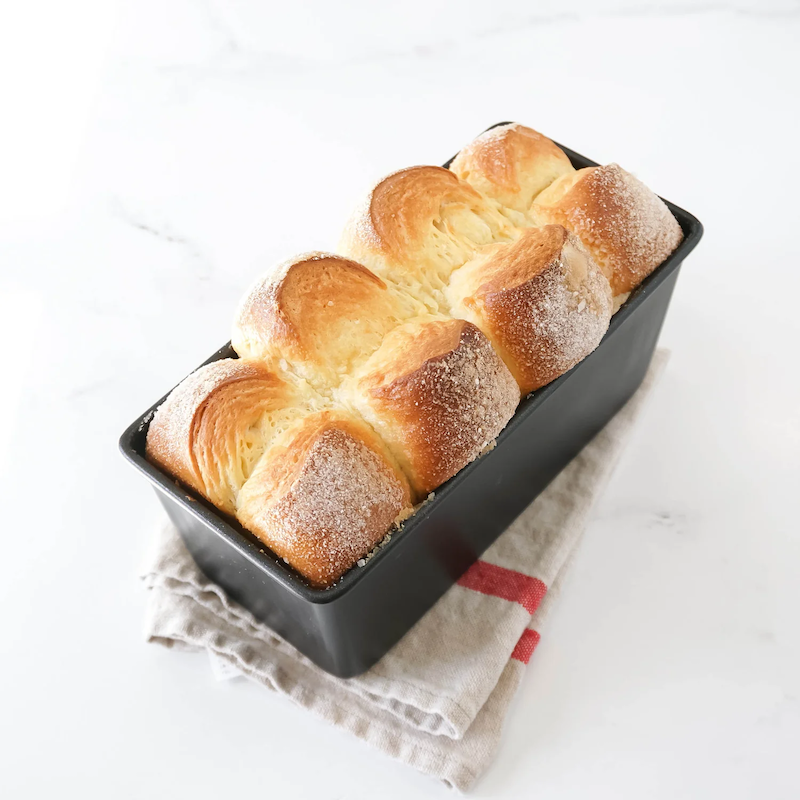
loaf bread pans
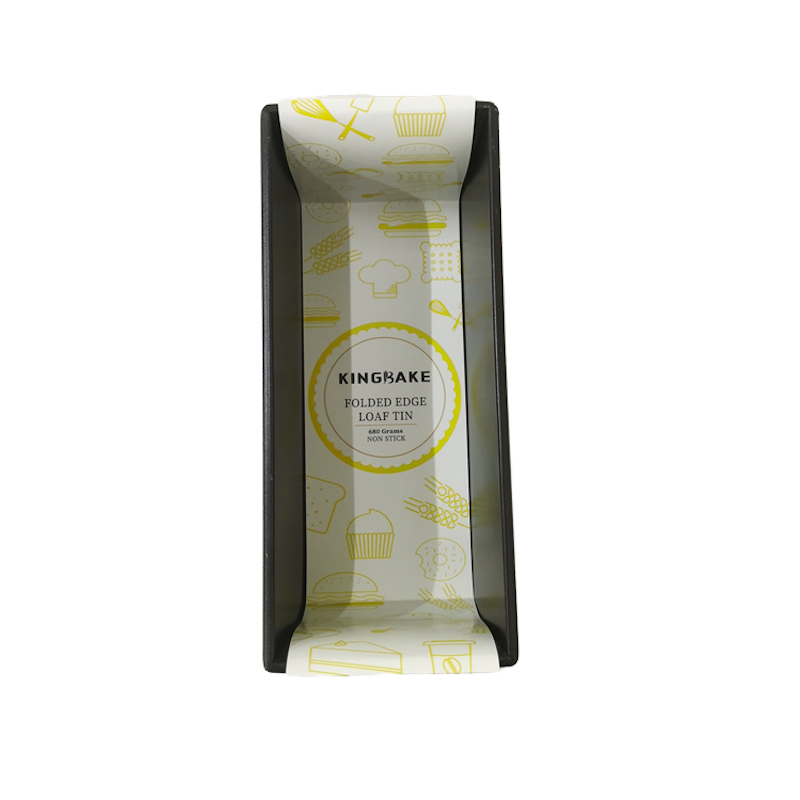
pullman loaf pans
For bakers using pullman loaf pans—which have straight sides and a sliding lid—proper fill level is even more critical. These pullman loaf pans are designed to create perfectly square loaves, but if overfilled, the dough can press against the lid, causing it to stick or creating an uneven shape. The lid itself limits vertical expansion, so excess dough may be forced out at the seams. When using pullman loaf pans, a fill level of about two-thirds is a reliable guideline to prevent overflow and ensure the lid closes properly.
If you find yourself with already-prepared dough that seems too much for your bread baking pan, you have a few options. You can divide the dough and bake two smaller loaves using a set of bread baking tins. Alternatively, shape the excess into rolls or a mini loaf to bake alongside the main batch. Another technique is to slightly under-proof the dough before baking, giving it more potential to rise in the oven rather than before. However, careful monitoring is required to avoid dense loaves.
Prevention is always better than correction. Knowing your pan's capacity and adhering to the two-thirds fill rule for loaf bread pans will save time and frustration. Keep a kitchen scale handy to measure dough portions accurately, especially when trying new recipes. Also, consider the dough's hydration and ingredients; wetter, richer doughs may expand more, requiring a more conservative fill.
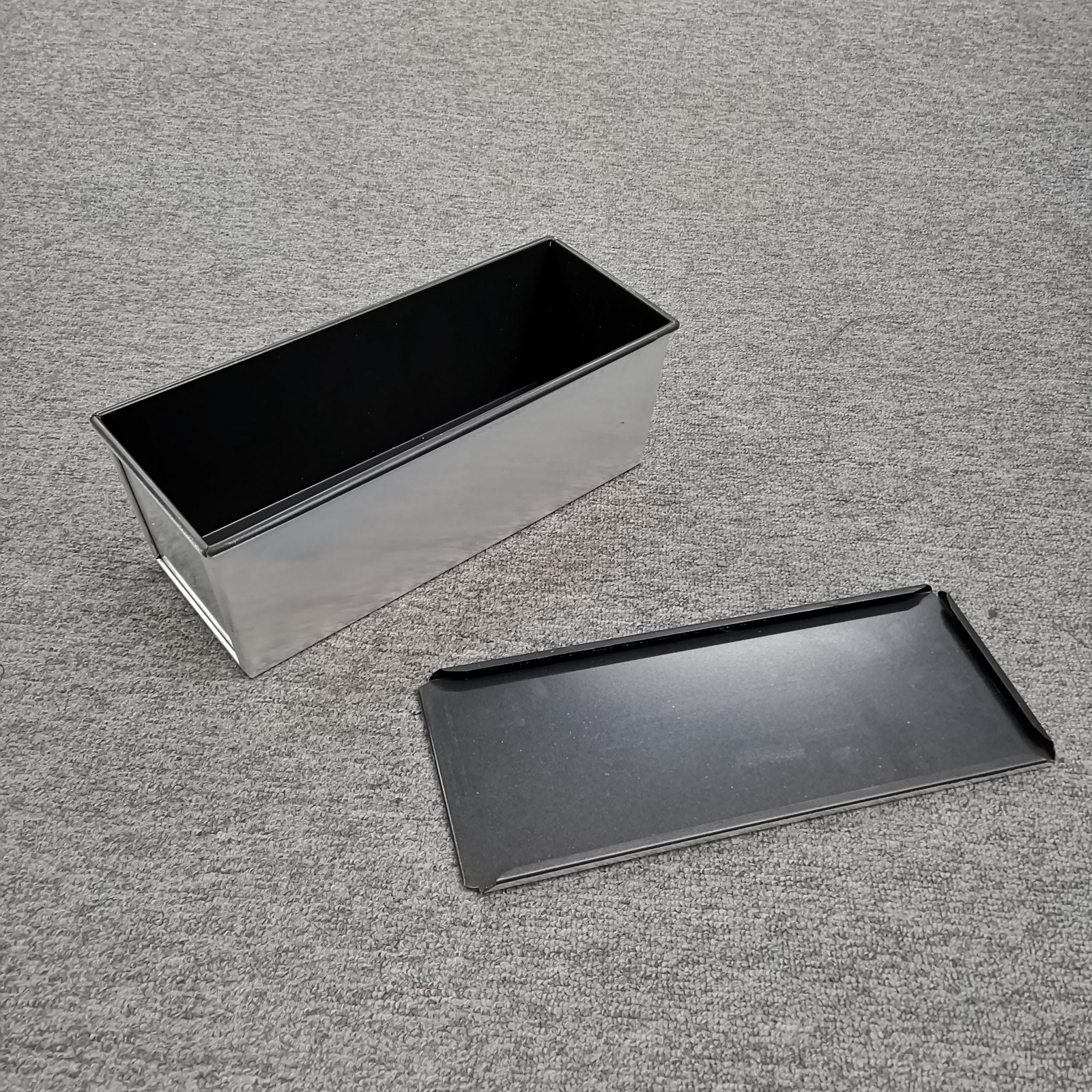
bread loaf tin
pullman loaf pans
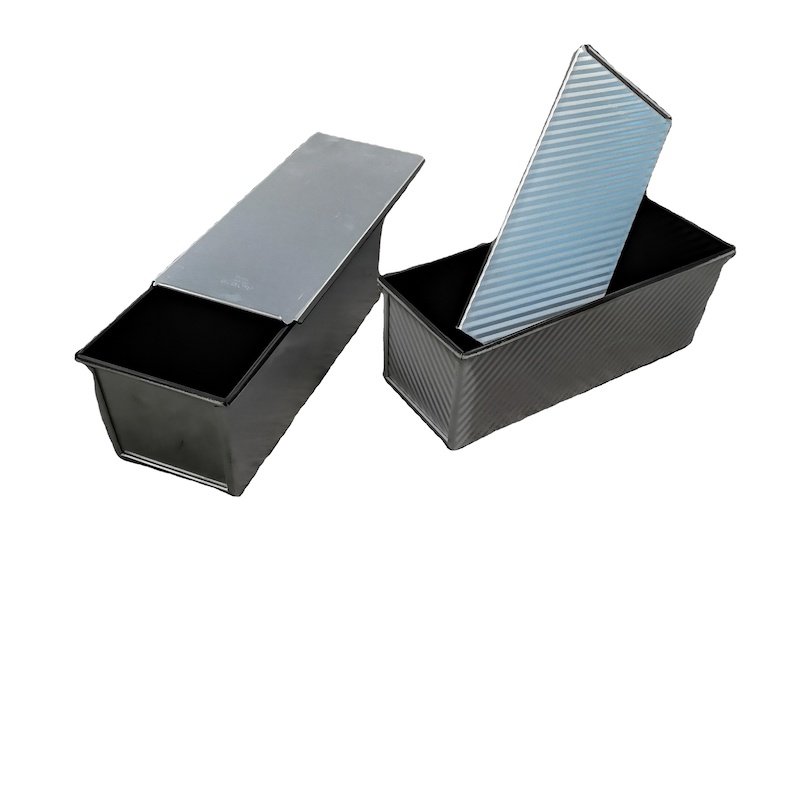
loaf bread pans
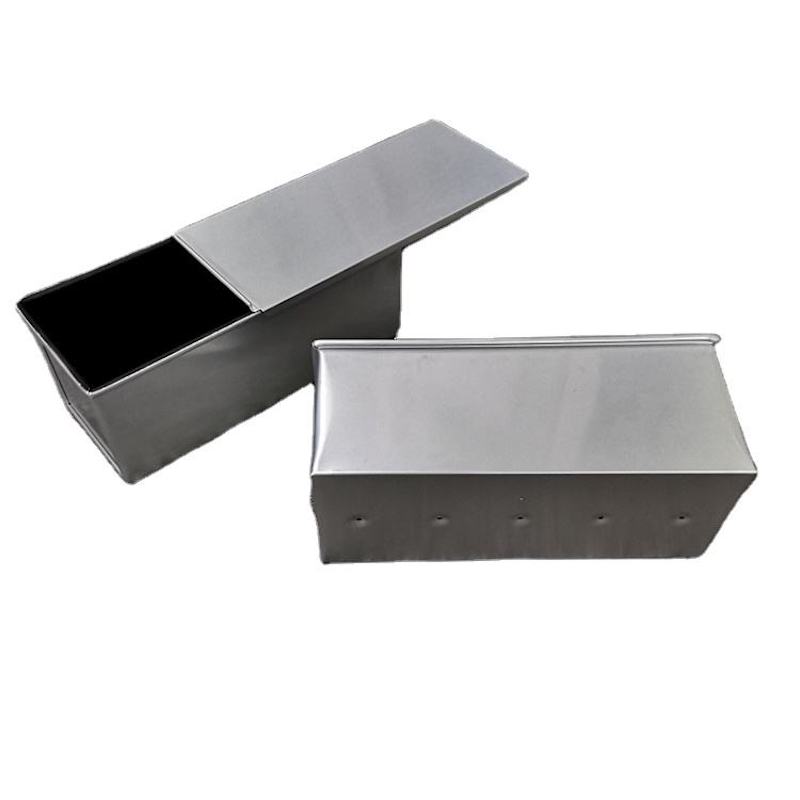
bread baking pan
If dough overflows from your loaf bread pans, adjust the amount of dough according to the size of your pan. By only filling a portion of your pullman loaf pans, adjusting the recipe, and understanding the rising characteristics of your dough, you can prevent overflow and enjoy fully risen, evenly baked bread. This simple yet important step ensures your baking process is clean, efficient, and consistently successful.
